@NASA: We've mapped out the path of totality and where you can get a partial view. Take a closer look – and don't forget your …
Summary
NASA shares details about upcoming solar eclipses, including the total solar eclipse on Aug 12, 2026, and safety guidelines for viewing.
View Cached Full Text
Cached at: 08/12/26, 06:31 PM
We’ve mapped out the path of totality and where you can get a partial view. Take a closer look – and don’t forget your eclipse glasses when you go outside! https://t.co/s9URmMxV6J https://t.co/nU1OyAGVgy
Eclipses
Source: https://science.nasa.gov/eclipses/
About Eclipses
An eclipse is an awe-inspiring celestial event that drastically changes the appearance of the two biggest objects we see in our sky: our Sun and Moon. On Earth, people can experience solar and lunar eclipses when Earth, the Moon, and the Sun line up. Safety is the number one priority when viewing a solar eclipse. Be sure tofollow these safety guidelines when viewing a solar eclipse.
Quick Facts
The next total solar eclipse visible in the contiguous United States will be on Aug. 23, 2044.
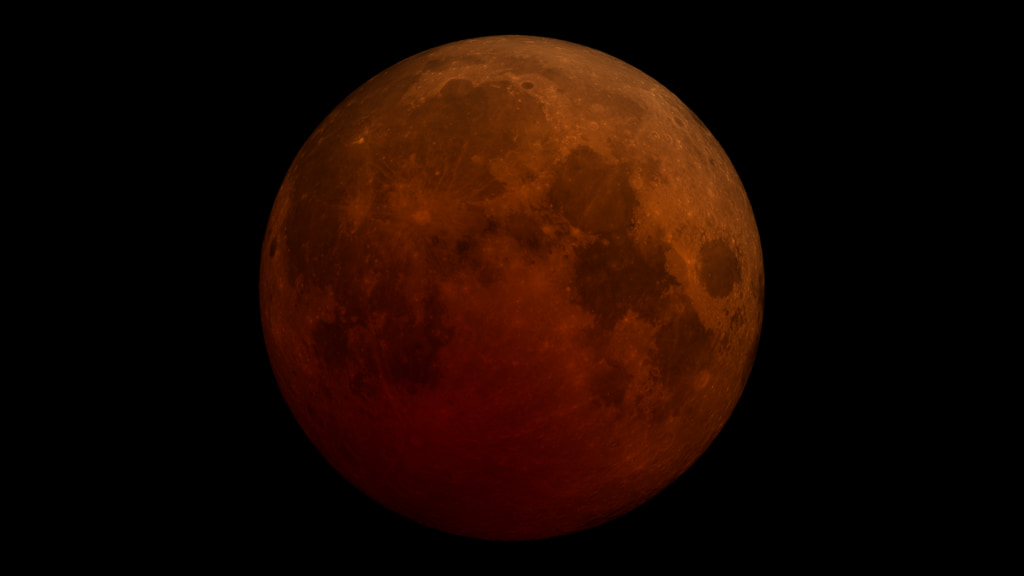
Lunar eclipses occur during the full moon phase, and solar eclipses occur during the new moon phase.
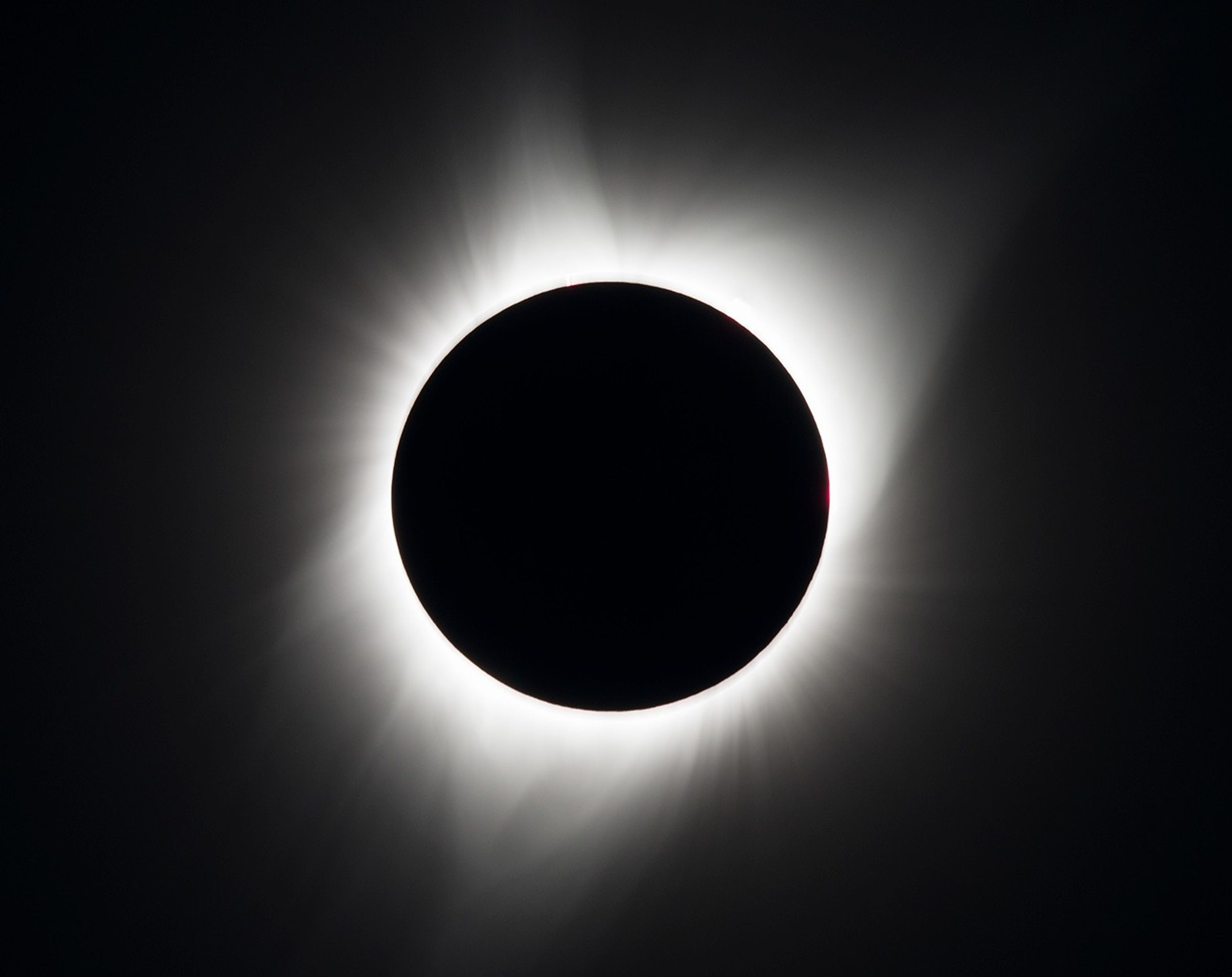
We can’t normally see the corona—the Sun’s outer atmosphere — because Sun’s surface below it is so much brighter. But during a total solar eclipse, the corona emerges, offering unique opportunities to study it.
An eclipse season is one of only two periods during each year when the Sun, the Moon, and Earth are aligned, allowing eclipses to occur. Each season lasts about 35 days and repeats just short of six months later!
AUG. 12, 2026
Next Total Solar Eclipse
On Aug. 12, 2026, a total solar eclipse will sweep across Greenland, Iceland, northern Russia, the Atlantic Ocean, Spain, and a small corner of Portugal. Many other places in the Northern Hemisphere will experience a partial solar eclipse that day, including parts of the U.S., most of Canada, much of Europe, and northwestern Africa.
Learn More Live
NASA Live Eclipse Broadcast
NASA will stream the solar eclipse on Aug. 12, featuring live views from across the path and interviews with experts. Tune in starting at 1:15 p.m. EDT.
Eye Safety During an Eclipse
Observing our star, the Sun, can be safe and inspirational.
Except for a specific and brief period of time during a total solar eclipse, you must never look directly at the Sun without proper eye protection, such as safe solar viewing glasses (eclipse glasses). Eclipse glasses are NOT the same as regular sunglasses; regular sunglasses are not safe for viewing the Sun. During a total solar eclipse, you must wear your eclipse glasses (or use other solar filters) to view the Sun directly during the partial eclipse phase. You can only take your glasses off during the short time when the Moon completely obscures the Sun — known as the period of totality. If you don’t have eclipse glasses, you can use anindirect viewing method, such as a pinhole projector, which projects an image of the Sun onto a nearby surface.
It is safe to look at the Moon with unprotected eyes or through a telescope during all types and during all stages of a lunar eclipse.
April 8, 2024
2024 Total Solar Eclipse
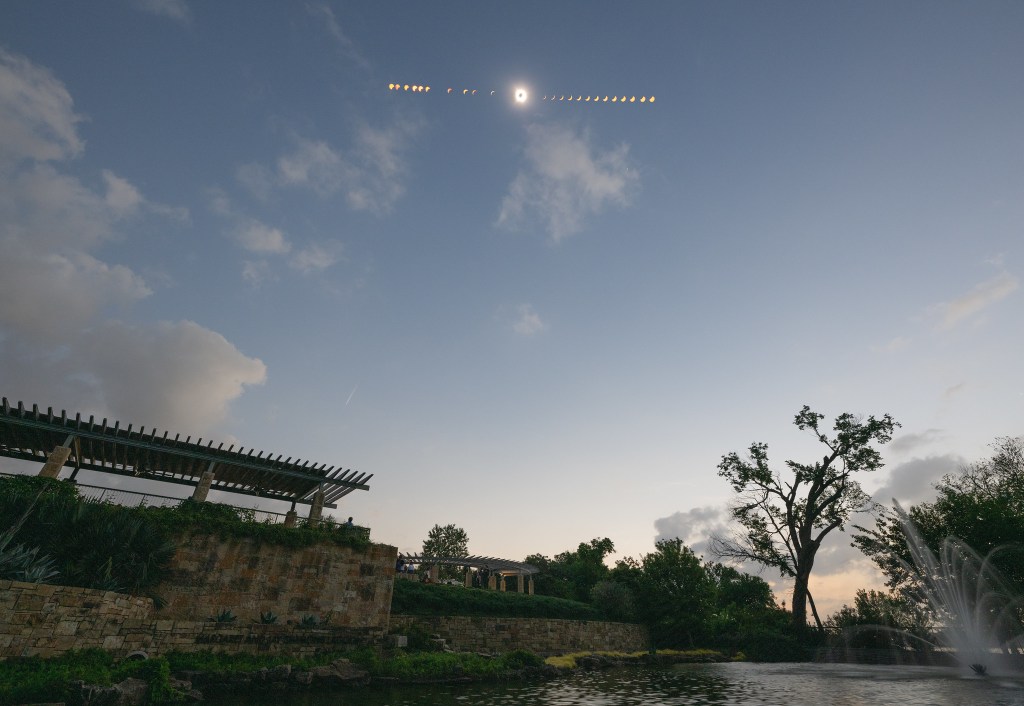
A total solar eclipse is seen in Dallas on Monday, April 8, 2024.
A total solar eclipse swept across a narrow portion of the North American continent from Mexico’s Pacific coast to the Atlantic coast of Newfoundland, Canada. A partial solar eclipse was visible across the entire North American continent along with parts of Central America and Europe.
April 8, 2024
2024 Total Solar Eclipse
Keep Exploring
Discover More Topics From NASA
Similar Articles
@NASA: On Aug. 12, you have the chance to experience a total solar eclipse from anywhere in the world. Starting at 1:15pm ET (…
NASA will stream a live broadcast of the total solar eclipse on Aug. 12 starting at 1:15pm ET, with safe viewing tips and science commentary.
@NASA: Tomorrow, a total solar eclipse is passing over part of the Northern Hemisphere, and you can watch it with us! We'll be…
NASA announces live coverage of the total solar eclipse passing over the Northern Hemisphere on Aug. 12, with streaming options on NASA+ and other platforms.
@NASA: If you're fortunate enough to be in the path of tomorrow's total solar eclipse, we're here to help you capture the mome…
NASA shares photography tips for capturing tomorrow's total solar eclipse.
@NASA: Total solar eclipses provide a unique opportunity to study the Sun, and on Aug. 12, we'll take to the skies to learn mo…
NASA-funded teams will study the total solar eclipse on Aug. 12 using a high-altitude jet and scientific balloons to investigate the Sun's corona and atmospheric effects.
There Are 2 Eclipses This August. Here’s How to See Them
A guide to the two eclipses occurring in August 2026: a total solar eclipse on August 12 visible in the northern hemisphere and a partial lunar eclipse on August 27-28 best viewed across the Americas.