@NASA: Learn more about our CHAPEA missions that simulate year-long stays on the surface of Mars: https://nasa.gov/humans-in-s…
Summary
NASA's CHAPEA missions simulate year-long stays on Mars to study crew health and performance, with the second mission having begun in October 2025.
View Cached Full Text
Cached at: 08/17/26, 04:26 PM
Learn more about our CHAPEA missions that simulate year-long stays on the surface of Mars: https://nasa.gov/humans-in-space/chapea/…
CHAPEA - NASA
Source: https://www.nasa.gov/humans-in-space/chapea/
Crew Health and Performance Exploration Analog
The Crew Health and Performance Exploration Analog (CHAPEA) is a series of missions that simulate year-long stays on the surface of Mars. Each mission consists of four crew members living in an isolated 1,700-square-foot habitat. During the missions, crew conduct simulated spacewalks and provide data on a variety of factors, including physical and behavioral health and performance.
Learn Moreabout Crew Health and Performance Exploration Analog
CHAPEA Mission 2 Highlights

CHAPEA Mission 2 Has Begun!
Ross Elder, Ellen Ellis, Matthew Montgomery, and James Spicer are now living and working inside the 3D-printed habitat at the agency’s Johnson Space Center in Houston until Oct. 31, 2026.
Read About CHAPEA Mission 2 Ingress
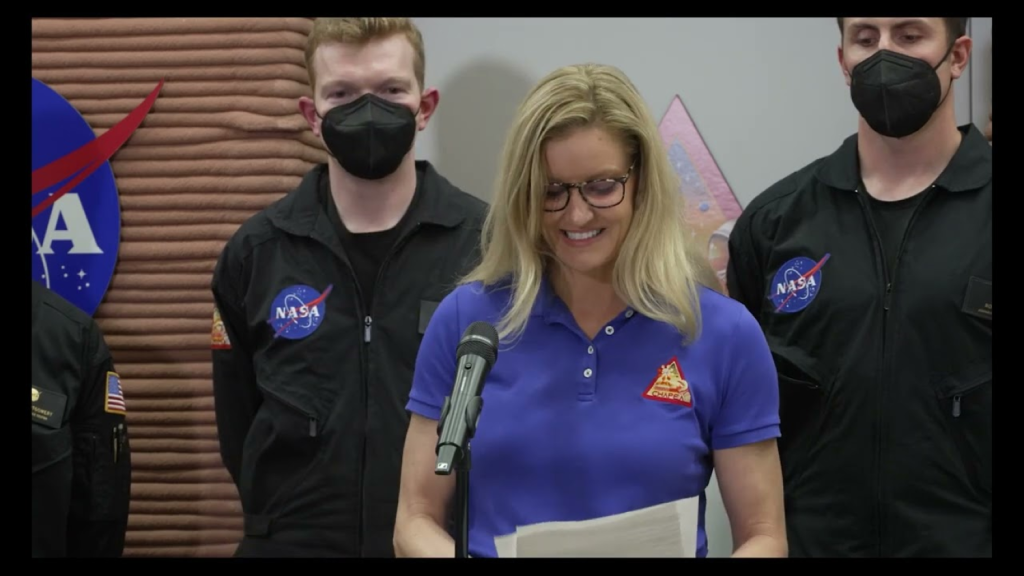
Watch: CHAPEA Ingress Ceremony
A crew of four research volunteers stepped inside NASA’s CHAPEA habitat on Oct. 19, marking the start of the agency’s second 378-day simulated Mars mission.
Watch CHAPEA Mission 2 Ingress Ceremony
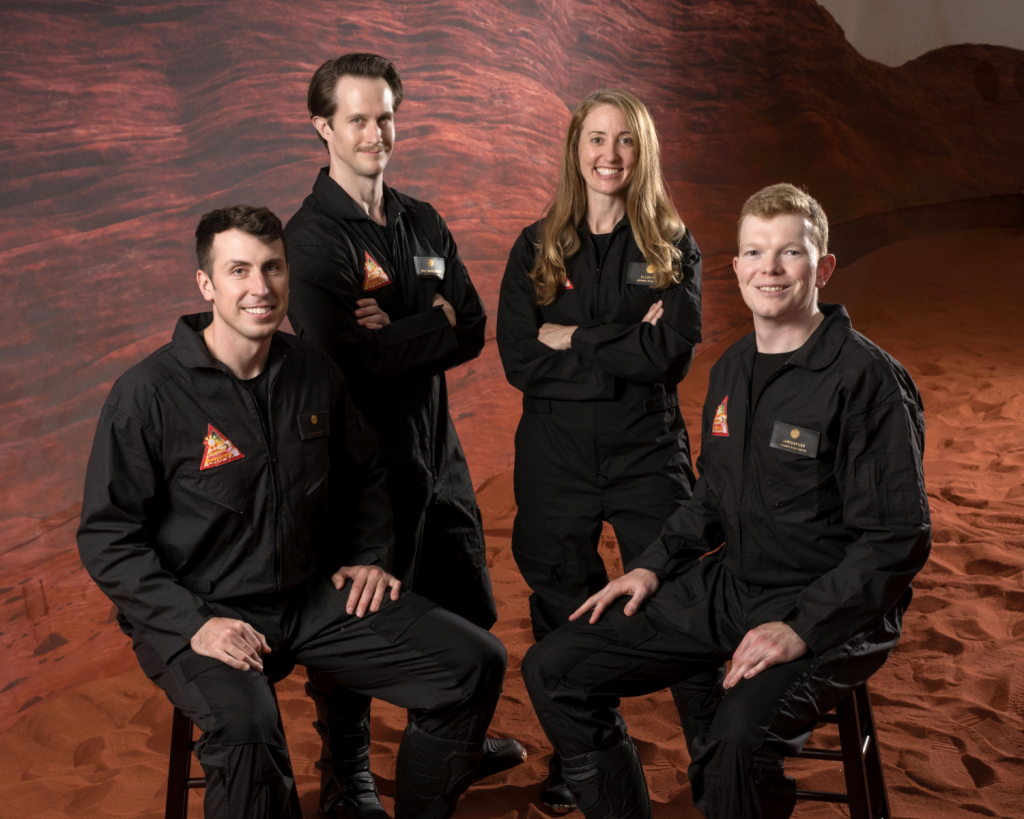
Podcast: New CHAPEA Crew Members Discuss Their Mission
Before the crew entered the habitat, they sat down and talked about their mission on an episode of “Houston We Have a Podcast.”

NASA Announces CHAPEA Crew for Year-Long Mars Mission Simulation
Meet the four research volunteers whose work will help NASA make informed trades between risks and interventions for long-duration exploration missions.
Meet the CHAPEA Mission 2 Crew
Learn About CHAPEA

About CHAPEA
CHAPEA is a series of analog missions that will simulate year-long stays on the surface of Mars.

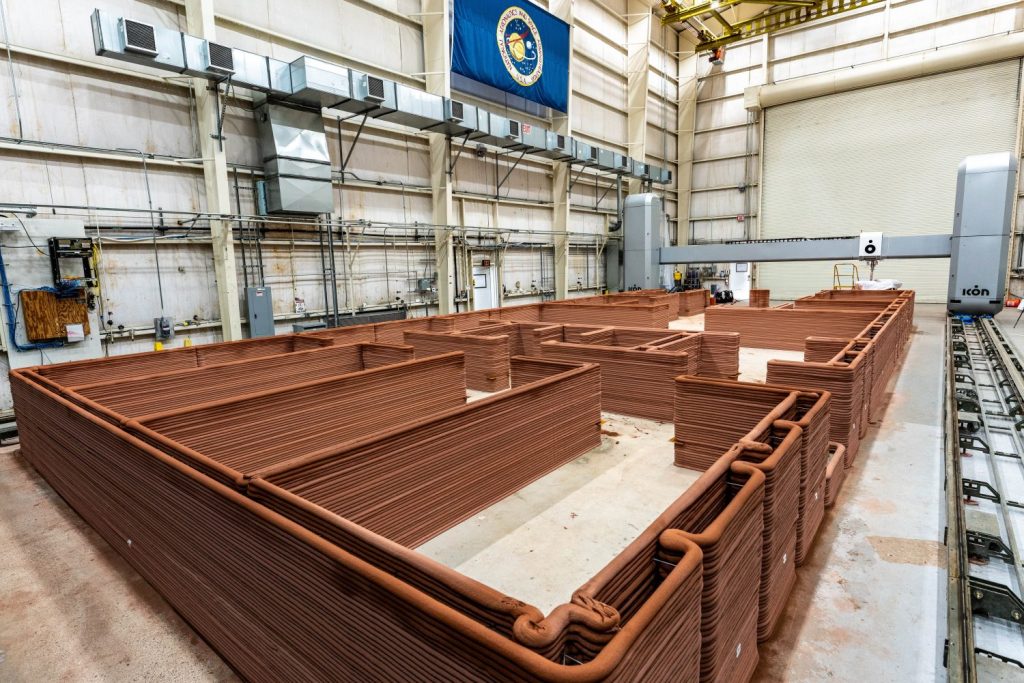
CHAPEA Mission 1 Highlights
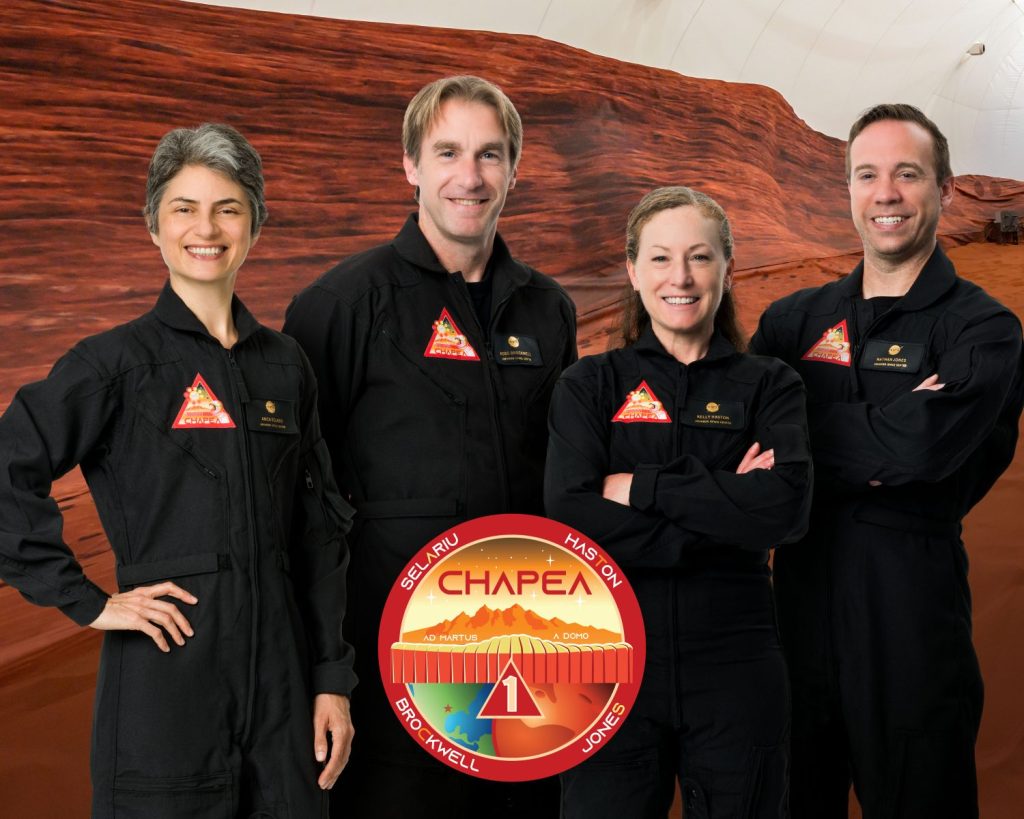
Mission 1 began June 25, 2023 and ended July 6, 2024. Get a mission overview, meet the Mission 1 crew, watch ingress and egress events, listen to mission-based podcasts, and more!
Learn More About CHAPEA Mission 1
Keep Exploring
Discover More Topics From NASA
NASA’s Johnson Space Center (@NASAJohnson): Celebrating 300 days “on” Mars! 🔴
Our CHAPEA crew is continuing to test systems, study human performance, and explore what future deep space exploration will demand. A milestone built on grit, curiosity, and the drive to push beyond Earth! See some photos from the mission ⬇️
Similar Articles
@NASA: Greetings from astronaut camp! Our 2025 astronaut candidates are about halfway done with their two-year training progra…
NASA's 2025 astronaut candidates are halfway through their two-year training program, which includes geology, flight, survival, and language training to prepare for Artemis missions to the Moon and Mars.
NASA’s permanent Moon base plans start with three missions this year
NASA announced three Moon Base missions launching this year to prepare for a permanent lunar base and crewed Artemis landing in 2028, along with contracts for new rovers and drone missions.
@NASA: Follow @NASASolarSystem for live updates as our Psyche mission slingshots around Mars! Learn more about the asteroid ex…
NASA's Psyche spacecraft is performing a gravity assist flyby of Mars on May 15 to gain speed and adjust its trajectory toward the metal-rich asteroid Psyche. The mission will begin studying the asteroid in 2029.
@NASAAdmin: The near impossible is becoming possible. We are building toward a sustained human presence at the lunar South Pole. It…
NASA Administrator announces plans for a sustained human presence at the lunar South Pole, beginning with Phase 1 involving CLPS landers and LTV rovers, leading to a Moon base and future Mars missions.
Artemis III Scientist Shares What to Expect From NASA’s Next Lunar Mission
NASA's Artemis III has been rescaled from a lunar landing to an Earth-orbit test of Orion's rendezvous with SpaceX and Blue Origin lander test articles, now targeted for 2028. Scientist Barbara Cohen explains the mission's value as a dress rehearsal and the role of humans in lunar science.