@MingchenZhuge: You could also consider adding Gödel Machine (2003), GPTSwarm (2024), and Agent-as-a-Judge (2024). These are widely cit…
Summary
Announcement of the ICLR 2026 Workshop on Recursive Self-Improvement (RSI 2026), the first workshop dedicated to RSI, including call for papers and submission details.
View Cached Full Text
Cached at: 07/07/26, 11:29 AM
You could also consider adding Gödel Machine (2003), GPTSwarm (2024), and Agent-as-a-Judge (2024). These are widely cited by many of the great papers you mentioned in your blog.
If you’d like to learn more about recursive self-improvement (RSI), these are also worth checking out:
https://recursive-workshop.github.io https://people.idsia.ch/~juergen/metalearner.html… https://arxiv.org/abs/2402.16823 https://arxiv.org/abs/2410.10934 https://recursive.com
They cover both the early ideas and some recent perspectives on RSI.
ICLR 2026 Workshop on Recursive Self-Improvement
Source: https://recursive-workshop.github.io/ Bem-vindos! We’re the ICLR 2026 Workshop on AI with Recursive Self-Improvement (RSI 2026), possibly the world’s first workshop dedicated exclusively to RSI, held alongside ICLR 2026 in Rio de Janeiro (April 23 to 27, 2026; workshop day April 26; room 101 - D). The timing couldn’t be better.
Recursive self improvement is no longer a speculative vision. It is becoming a concrete systems problem. Across text, speech, vision, and embodied interaction, today’s models can already diagnose their failures, critique their behavior, update internal representations, and modify external tools. What’s missing is not ambition, but principled methods, system designs, and evaluations that make self improvement measurable, reliable, and deployable.
This workshop brings together researchers working on recursive self improving AI across omni models, multimodal agents, robotics, and scientific discovery. We focus on practical advances such as critique and reward driven learning, test time adaptation, experience accumulation, and governed model updates.
Call for Papers
We’re looking for methods, systems, and evaluations that move self improving AI from promise to practice across language, speech, and vision, as well as applications in robotics and scientific discovery.
We frame contributions through six lenses: (1) what changes (parameters, world models, memory, tools and skills, architectures), (2) when changes happen (within an episode, at test time, or after deployment), (3) how changes are produced (reward or value learning, imitation, evolutionary search), (4) where systems operate (web and UI, games, robotics, science, enterprise), (5) alignment, security, and safety (long horizon stability, regression risk), and (6) evaluation and benchmarks. We also welcome work on optimization and curricula, memory and model editing, instrumentation, and rollback.
Important Dates (AoE)
- Paper submission opens:January 1, 2026
- Paper submission deadline:February 10, 2026
- Review deadline for reviewers:February 28, 2026
- Author notification:March 5, 2026
- Workshop day:April 26, 2026
- Location:101 - D
Submission Instructions
Submissions must be made through OpenReview and formatted using the ICLR conference proceedings style.
- **Main Track:**Up to 8 pages, excluding references.
- **Tiny Papers Track:**Up to 5 pages total, including references.
- All accepted papers will be presented in an extended poster session; a small number will be selected for spotlight oral presentations.
- **Safety & ethics (encouraged, optional):**Include a brief note on risks, limitations, and mitigations if your work touches self-improving behaviors or tool access.
Both tracks follow ICLR 2026 Workshop submission and review requirements. Accepted tiny papers may be featured on the workshop website. The reviewing process is single-blind and managed through OpenReview; AI-generated papers are not allowed, however, due to the nature of the workshop, AI-generated artifacts used as part of the work (e.g., demos, systems, or experiments) are allowed, but must be clearly disclosed, and papers must follow thePolicies on Large Language Model Usage at ICLR 2026, including the disclosure of LLM usage.
Schedule(tentative, all talks include Q&A)
All invited speaker slots are 30 minutes. Oral spotlights are 10 minutes each, with a transition buffer in each session. Times below are in BRT (Rio).
Time (BRT)SessionSpeakerMorning Session08:00 - 08:50Poster Session 1 / NetworkingAll audience08:50 - 09:00Opening RemarksOrganizers09:00 - 09:30Invited Talk 1Louis Kirsch09:30 - 10:00Oral Session I (2 talks, 10 minutes each + transition)#1 Agent0: Unleashing Self-Evolving Agents from Zero Data via Tool-Integrated Reasoning
#2 Contextual Drag: How Errors in the Context Affect LLM Reasoning
10:00 - 10:30Poster Session 2 / Networking / Coffee BreakAll audience10:30 - 11:00Invited Talk 2Chelsea Finn11:00 - 11:30Invited Talk 3Bing Liu11:30 - 12:00Invited Talk 4Sergey Levine12:00 - 12:30Poster Session 3 / Networking / Lunch12:30 - 13:00Invited Talk 5Jeff Clune13:00 - 13:10Transition / NetworkingAfternoon Session13:10 - 14:00Super Stars PanelJulian Schrittwieser, Richard Socher, Yuandong Tian, Matej Balog, Ming-Hsuan Yang, Vladlen Koltun; Moderator: Jürgen Schmidhuber14:00 - 14:30Invited Talk 6Bang Liu14:30 - 15:00Invited Talk 7Yu Su (Ohio State University, NeoCognition)15:00 - 15:30Invited Talk 8Yuandong Tian15:30 - 15:50Oral Session II (2 talks, 10 minutes each)#3 Learning to Continually Learn via Meta-learning Agentic Memory Designs
#4 PostTrainBench: Can LLM Agents Automate LLM Post-Training?
15:50 - 16:40Open-Talk PanelPhilipp Krähenbühl, Devon Hjelm, Ran Xu, Yi Lu, Yilun Du, Dmitrii Khizbullin; Moderator: Rong Zou16:40 - 17:10Awarding & Closing RemarksOrganizers
Awards 🏆
We will present two Best Paper Awards and several Outstanding Paper Awards, selected by the program committee.
Speakers(alphabetical order)
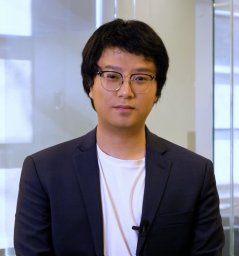
Bang LiuUniversité de Montréal / Mila

Bing LiuScale

Chelsea FinnStanford University

Jeff CluneUBC / DeepMind

Louis KirschStealth Startup

Sergey LevineUC Berkeley, Physical Intelligence

Yu SuOhio State University, NeoCognition
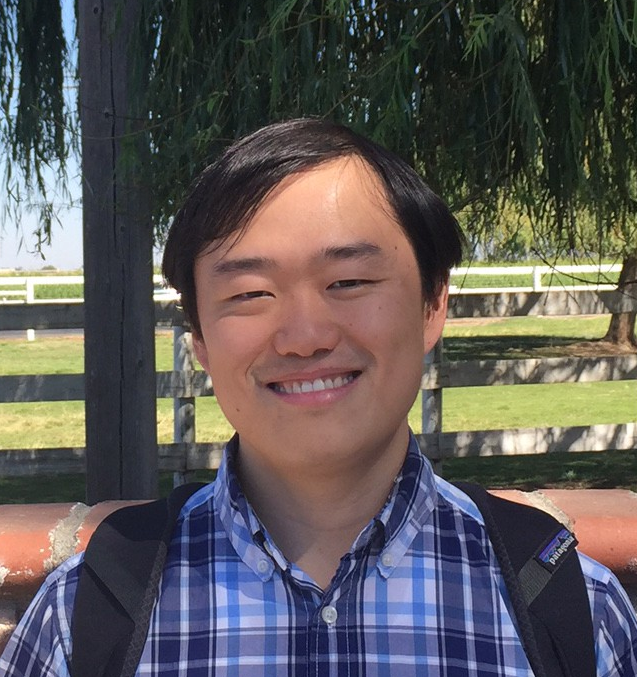
Yuandong TianStealth Startup
Panelists
Super Stars Panel(1:10 PM - 2:00 PM)

Julian SchrittwieserAnthropicBuilt AlphaGo, AlphaZero, Atari, Gemini, and Claude, etc. 73K+ citations.

Richard SocherYou.comKnown for work behind ImageNet, GloVe, recursive nets, and more; former Chief Scientist at Salesforce, now CEO of You.com. 230K+ citations.
Yuandong TianStealth StartupEx. Director of Meta FAIR, working on post-training, now co-founding a stealth startup, and also writing sci-fi. 23K+ citations.

Matej BalogDeepMindStaff Research Scientist at DeepMind and lead of AlphaEvolve.

Ming-Hsuan YangUniversity of California at Merced, DeepMindOne of the best-known names in computer vision. 170K+ citations.

Vladlen KoltunAppleDistinguished Scientist at Apple, known for CARLA and simulation-driven autonomy research. 120K+ citations.
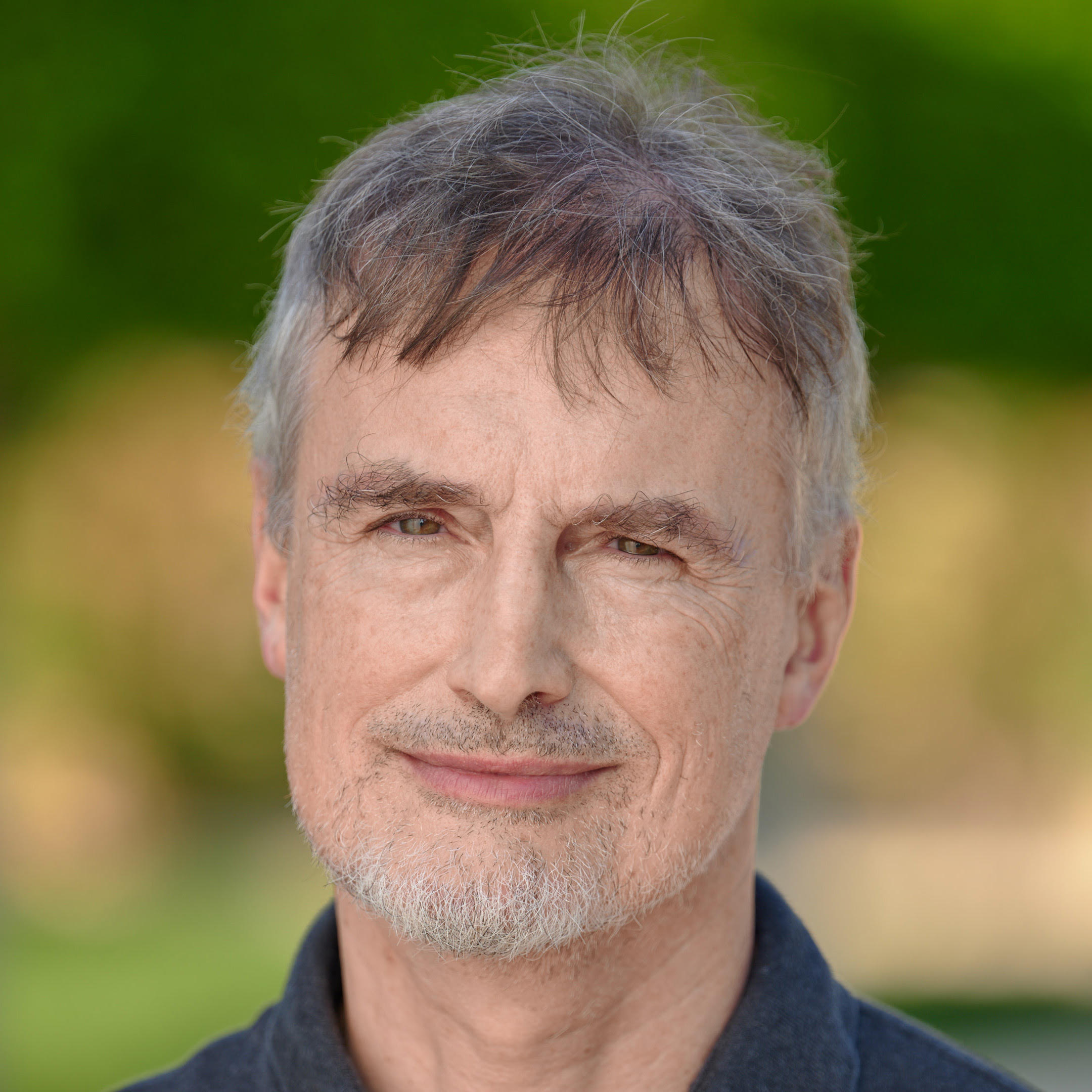
ModeratorJürgen SchmidhuberKAUST / IDSIAIntroduced basics of: meta-learning & RSI, P&T in ChatGPT, neural distillation, very deep learning, GANs & modern world models, etc. Co-authored most cited AI paper of 20th century.
Open-Talk Panel(3:50 PM - 4:40 PM)

Philipp KrähenbühlApple

Devon HjelmApple
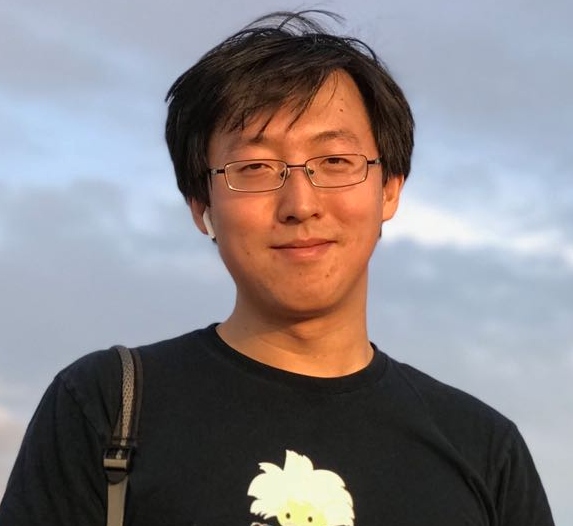
Ran XuSalesforce
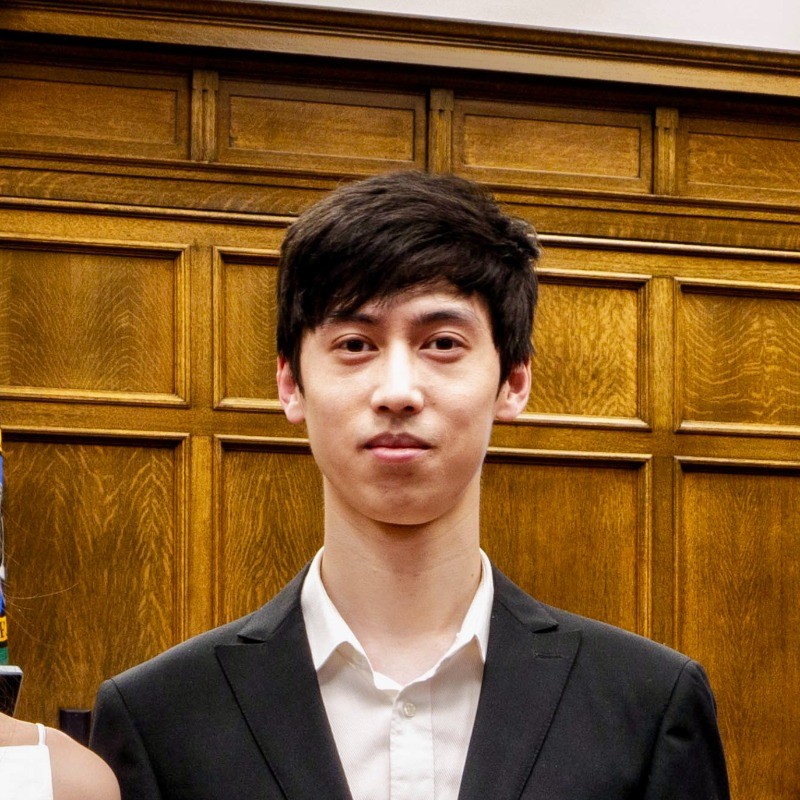
Yi LuMeta
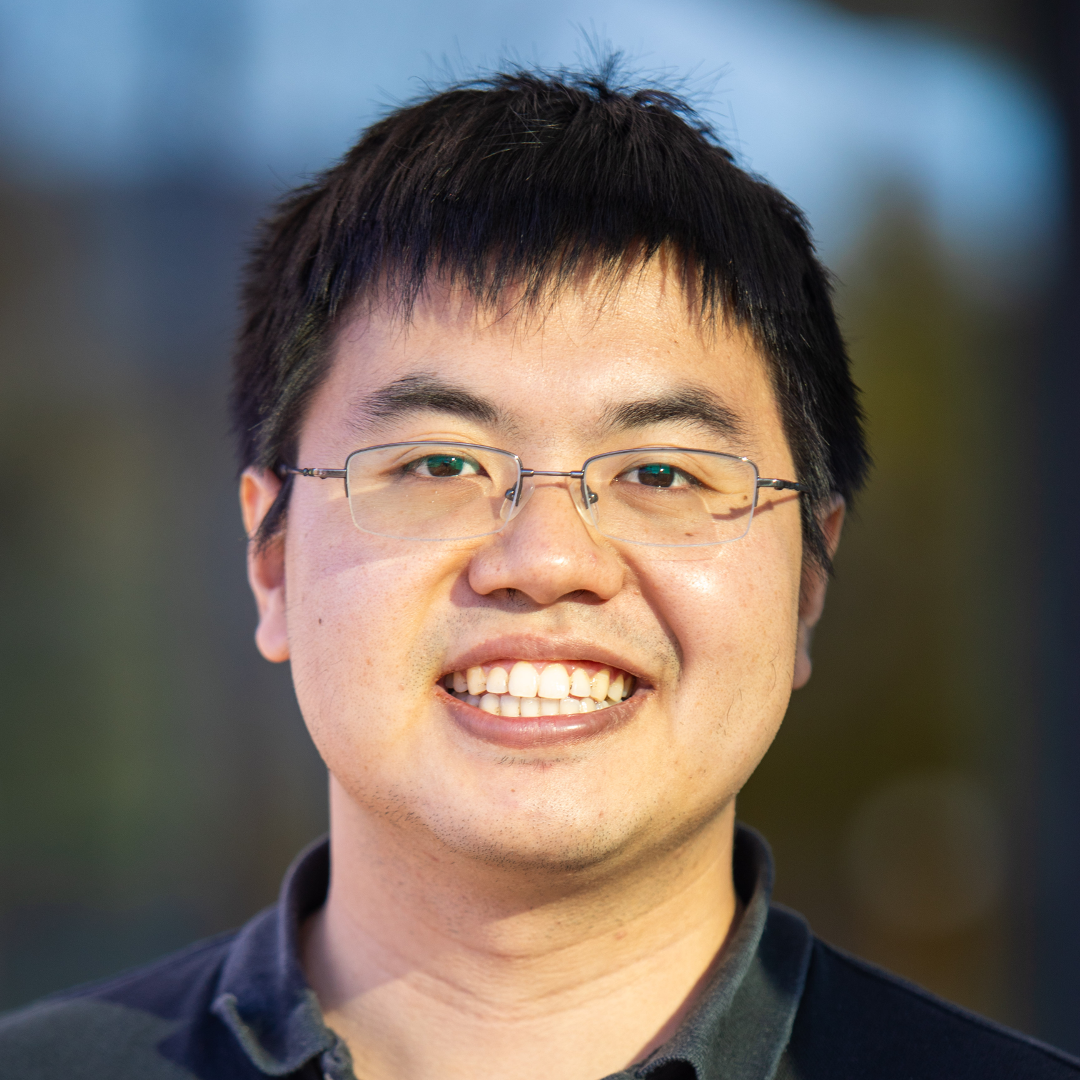
Yilun DuHarvard
Dmitrii KhizbullinKAUST

ModeratorRong ZouApple
Committee(organizers & executors)
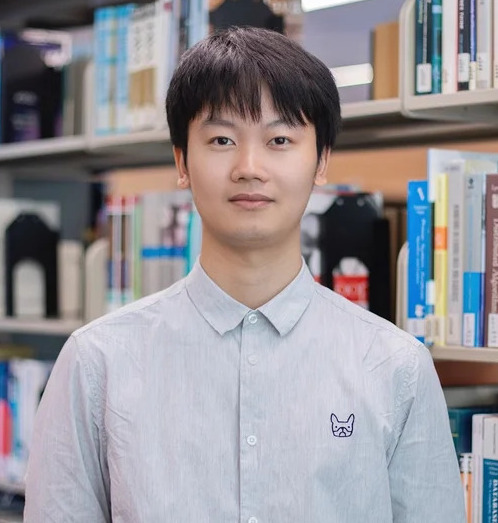
Mingchen ZhugeKAUST

Ailing ZengAnuttacon
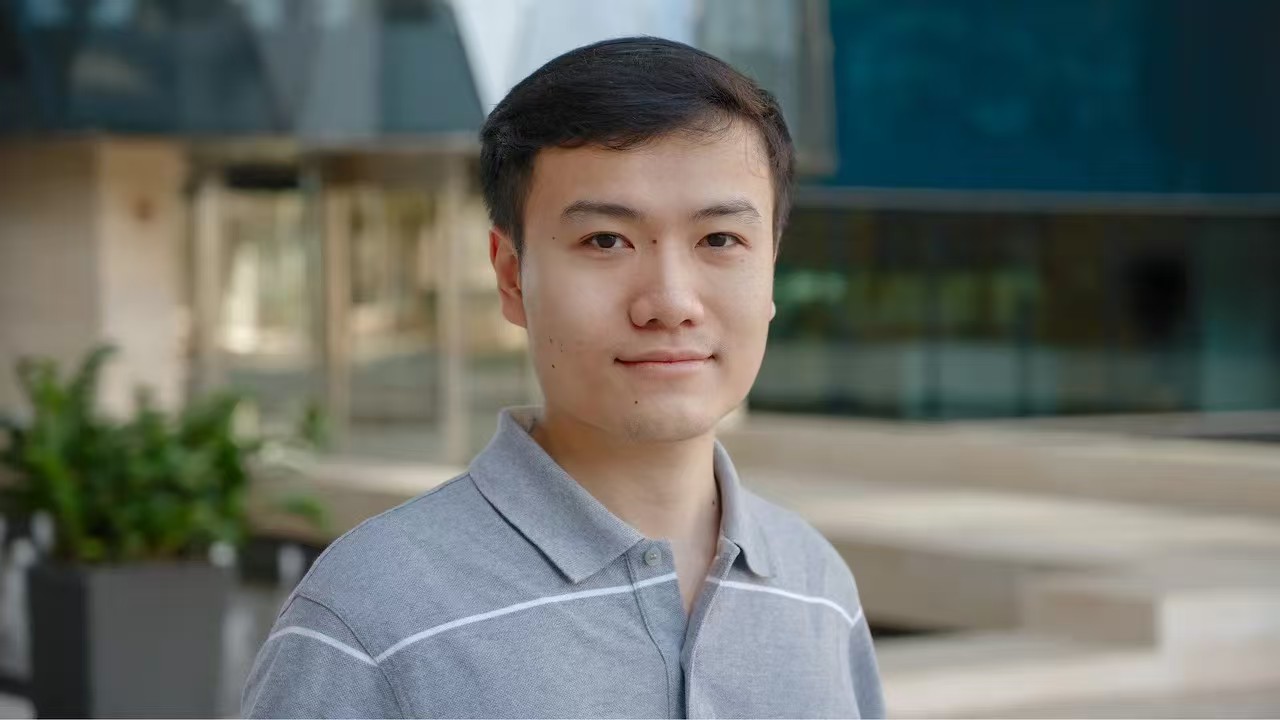
Deyao ZhuByteDance
Rong ZouApple
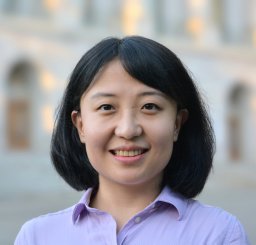
Sherry YangNYU / DeepMind

Yan HuCUHK

Mengjia LiBAAI

Yunzhong HeScale
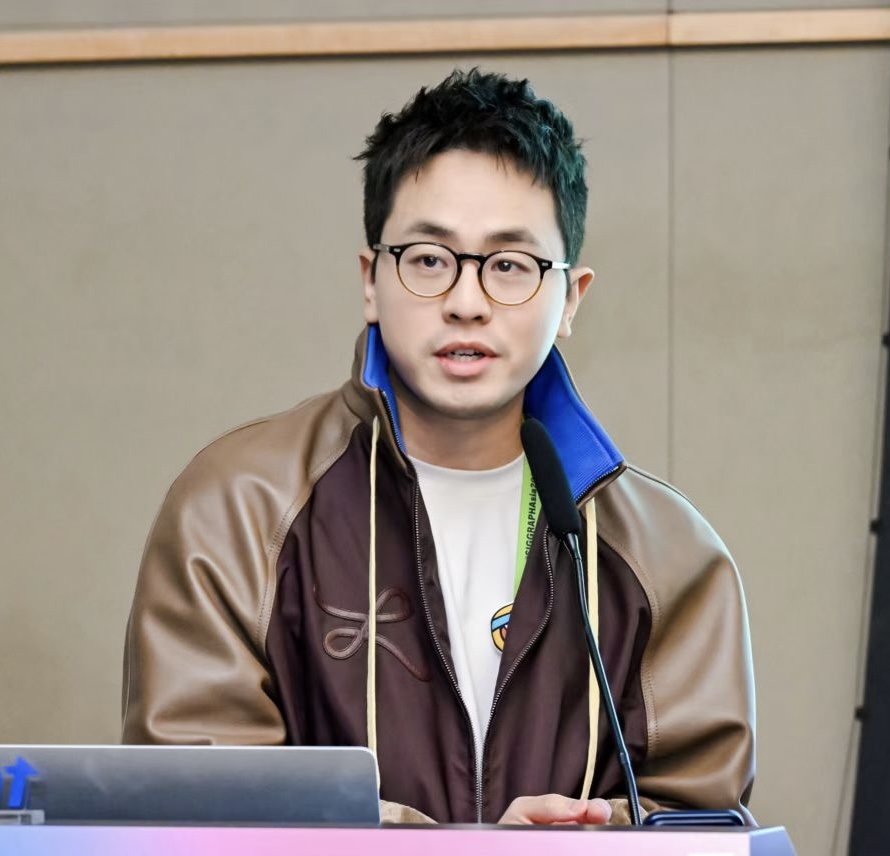
Levi LiTencent
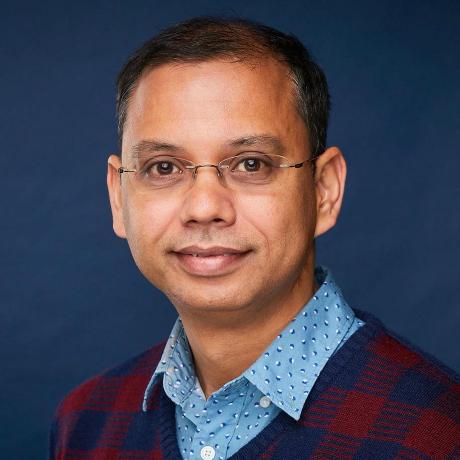
Vikas ChandraMeta Reality Labs
Jürgen SchmidhuberKAUST / IDSIA
Sponsors


Contact
Questions? Reach us at[email protected], [email protected].
References
Several related sample pages and papers on recursive self-improvement are listed below:
- https://people.idsia.ch/~juergen/metalearning.html
- GPTSwarm: Language Agents as Optimizable Graphs
- AlphaEvolve: A coding agent for scientific and algorithmic discovery
- Agent-as-a-Judge: Evaluate Agents with Agents
- Open-Ended Evolution of Self-Improving Agents
- https://people.idsia.ch/~juergen/goedelmachine.html
- Human-Level Coding Agent Development by an Approximation of the Optimal Self-Improving Machine
Bib
@inproceedings{zhuge2026iclr,
  title={ICLR 2026 Workshop on AI with Recursive Self-Improvement},
  author={Zhuge, Mingchen and Zeng, A and Zhu, D and Feng, X and Yang, S and Chandra, V and Schmidhuber, J},
  booktitle={International Conference on Learning Representations (Apr. 2026), https://openreview.net/pdf},
  year={2026}
}
Lilian Weng (@lilianweng): new post on harness engineering for AI self-improvement: https://t.co/XNCycrAZbM
It is hard to forecast how much the future of RSI will rely on harnesses. Likely harness engineering will evolve in the direction of self-improvement and enable auto-research, and, in turn, smarter
Similar Articles
The Last AI Built by Humans: Toward Genuine Recursive Self-Improvement
This paper introduces a taxonomy for Recursive Self-Improvement (RSI) in AI systems, outlining levels L1-L5 and the Headroom-Closed Index to categorize autonomous improvement capabilities.
@niclane7: Just in time for ICML week, we are sharing our take on a key question for recursive self-improving AI. How can AI keep …
The Red Queen Gödel Machine enables recursive self-improvement in AI by co-evolving the agent and evaluator, achieving better coding performance with fewer tokens.
RSI is not happening [R]
A new paper argues that Recursive Self-Improvement (RSI) is not imminent because current AI agents cannot perform open-ended ML research, as demonstrated in experiments on NeurIPS papers.
What’s your personal prediction for RSI (recursive self improvement)? Realistically.
A user asks for predictions on the possibility and timeline of recursive self-improvement (RSI) in AI.
Recursive Self-Improvement in AI: From Bounded Self-Refinement to Autonomous Research Loops
A comprehensive survey of 1,250 papers (2024–2026) on recursive self-improvement in AI, proposing a taxonomy distinguishing bounded self-refinement from open-ended recursive self-improvement, and analyzing the evaluator design space and failure modes.