Cached at:
09/30/26, 11:05 PM
# Before pixels: Modular industrial dashboards – Unsung
Source: [https://unsung.aresluna.org/before-pixels-modular-industrial-dashboards/](https://unsung.aresluna.org/before-pixels-modular-industrial-dashboards/)
In my recent visits to German and Polish museums, I noticed a recurring theme: modular industrial dashboards, which I imagine have by now been all replaced by software\.
I don’t know much about these – please write me if you do – but I wanted to share them anyway, perhaps for context, or amusement, or inspiration\. They’re interesting design systems, and interesting interaction systems as well\.
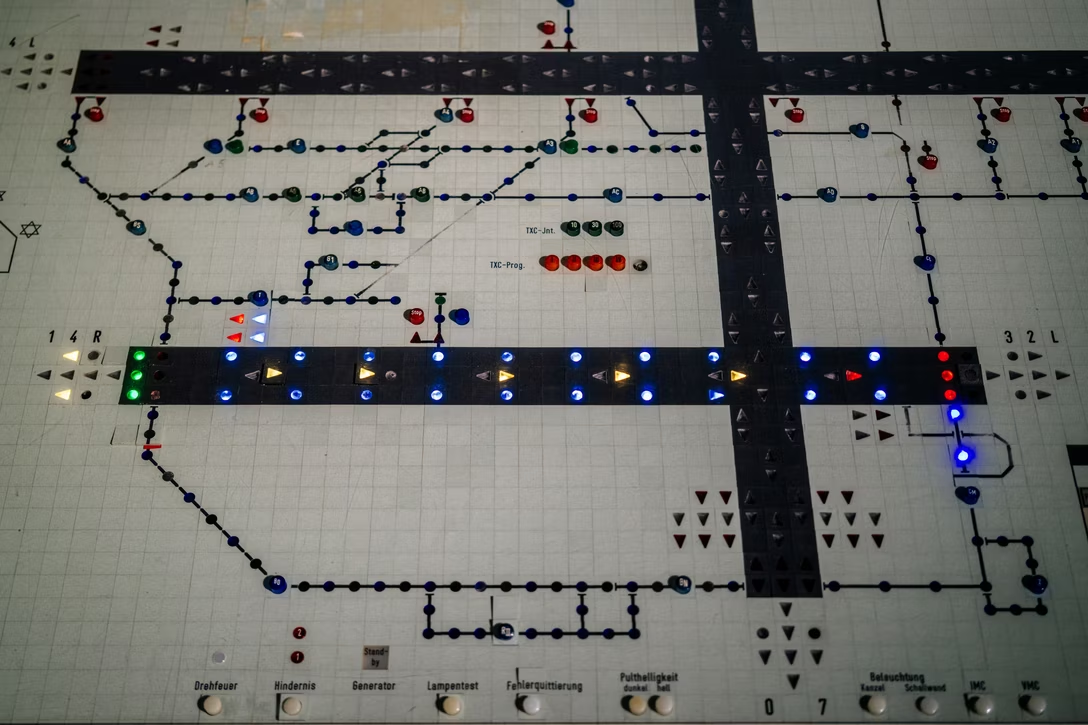
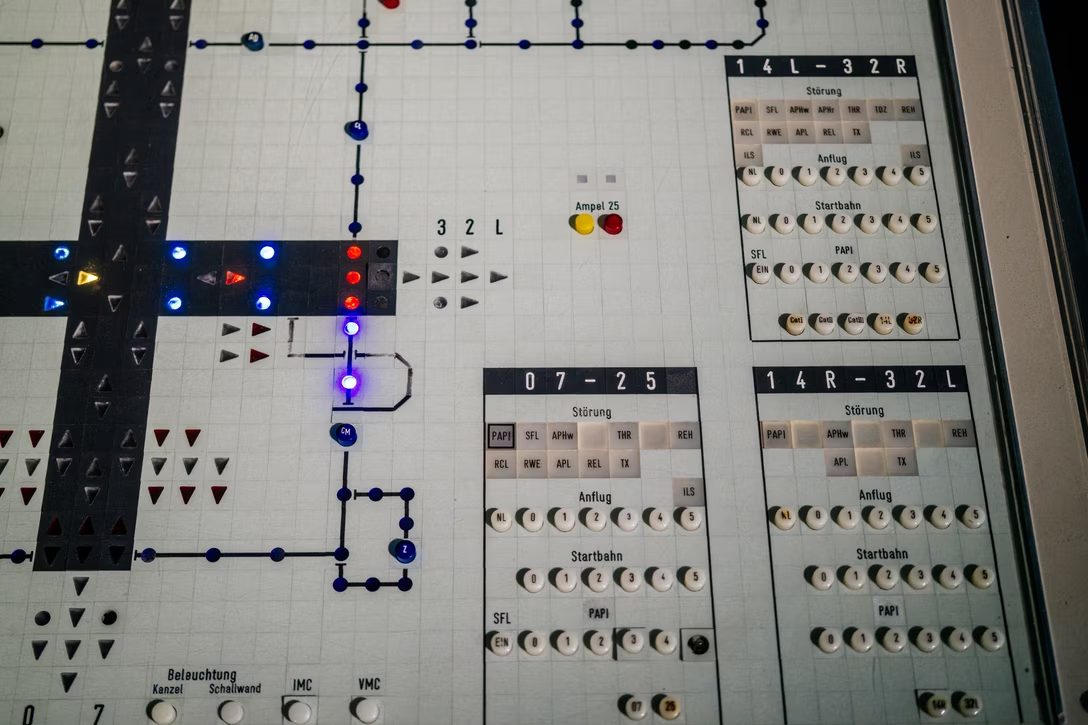
This was a very cool physical display for air traffic control, at the The Deutsches Museum in Münich:
At Fernmeldemuseum Stuttgart, these were used to monitor subway trains, or light rail\. I do imagine these panels must have been interactive with all the buttons?
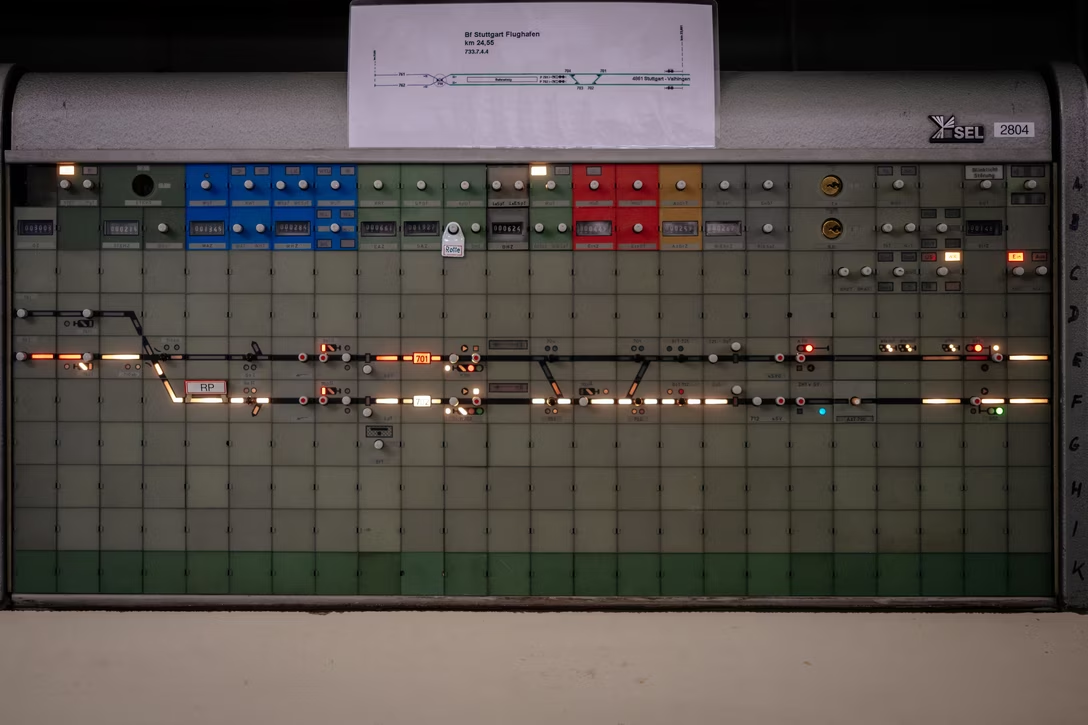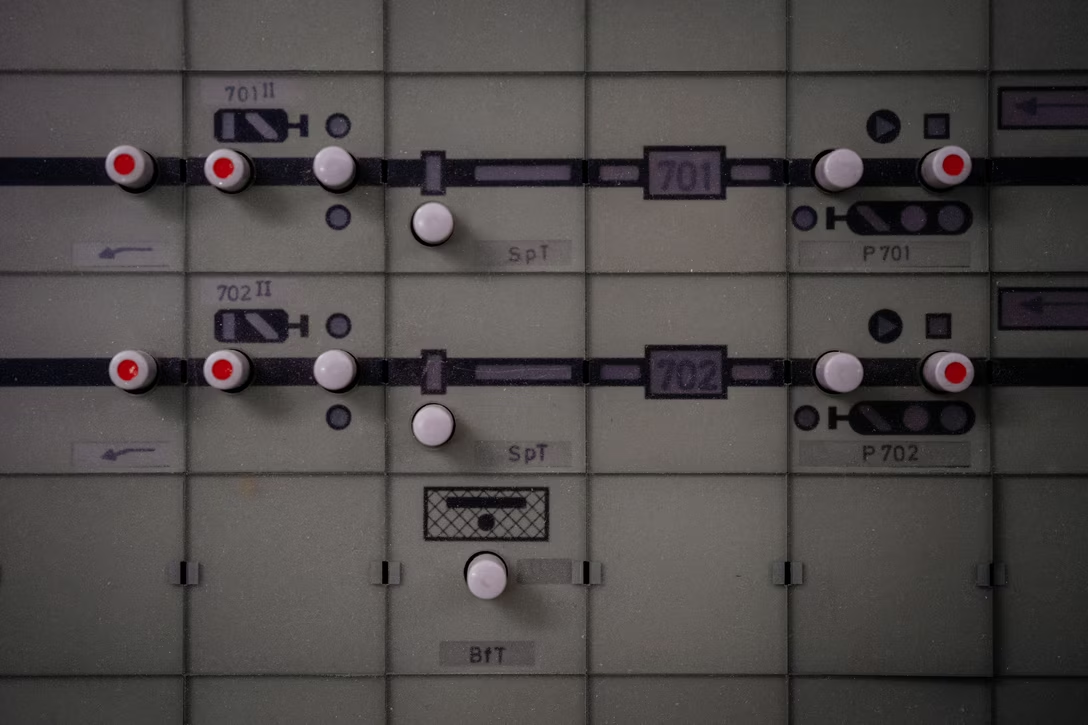I like that they light up to show status:
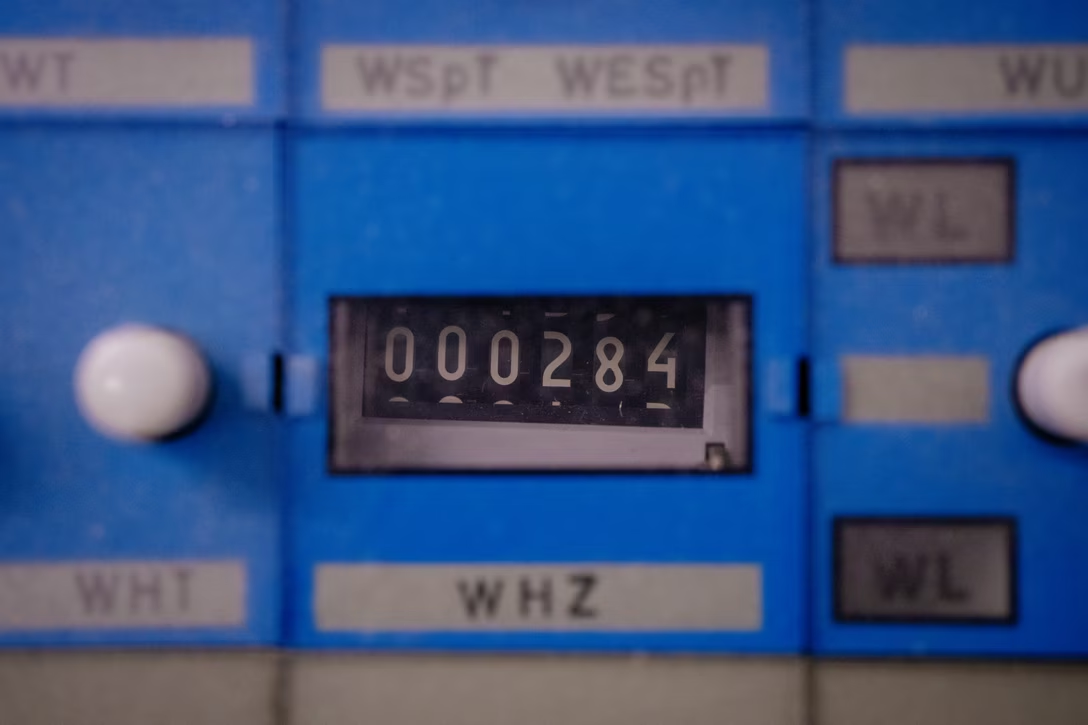
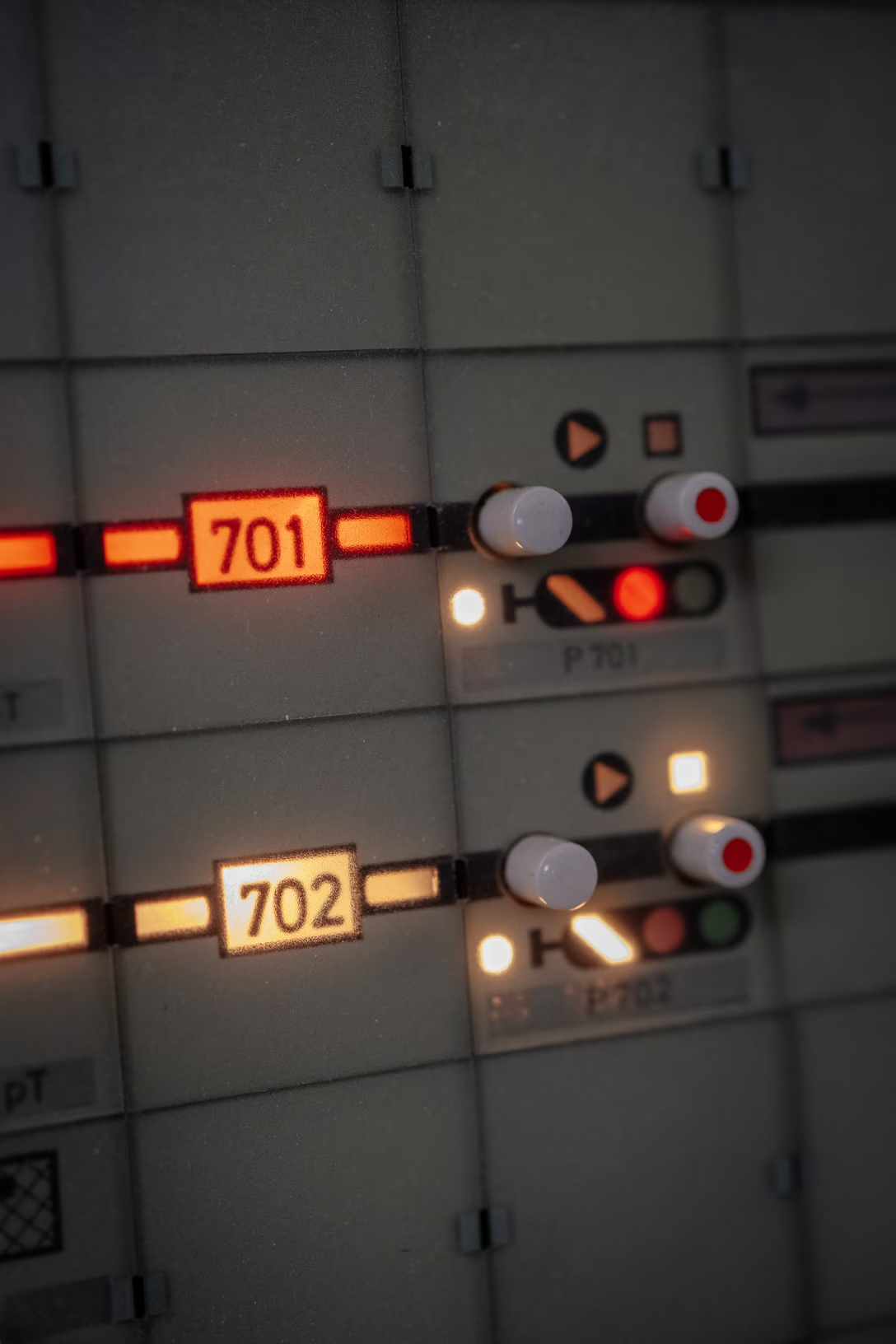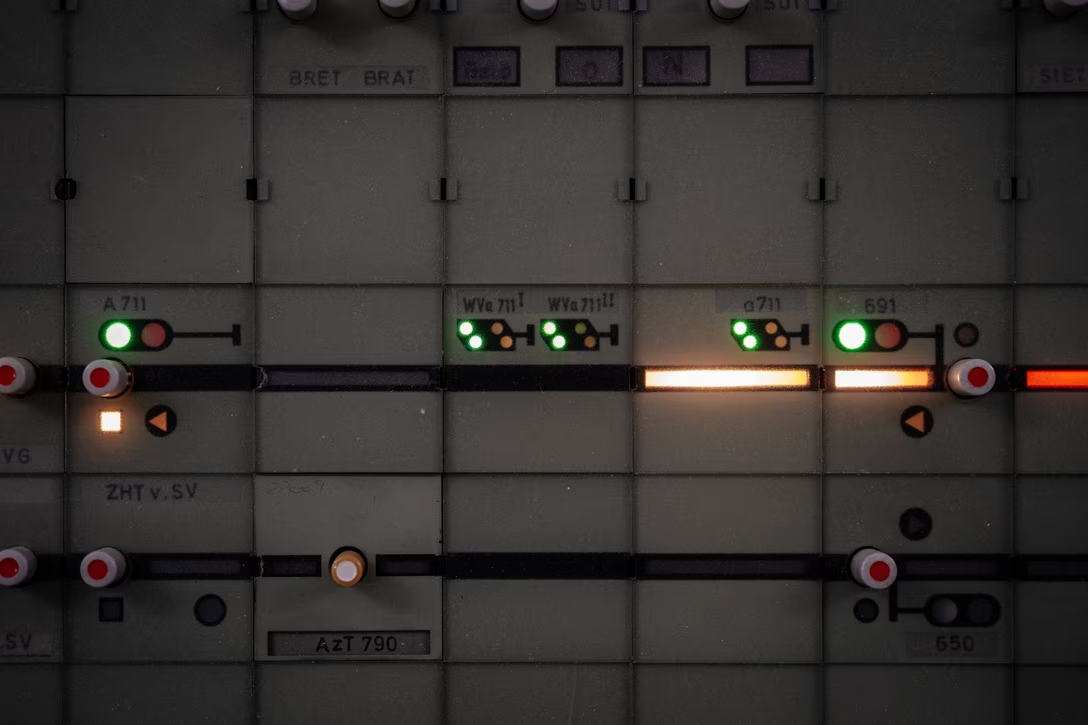One of the modules was a counter:
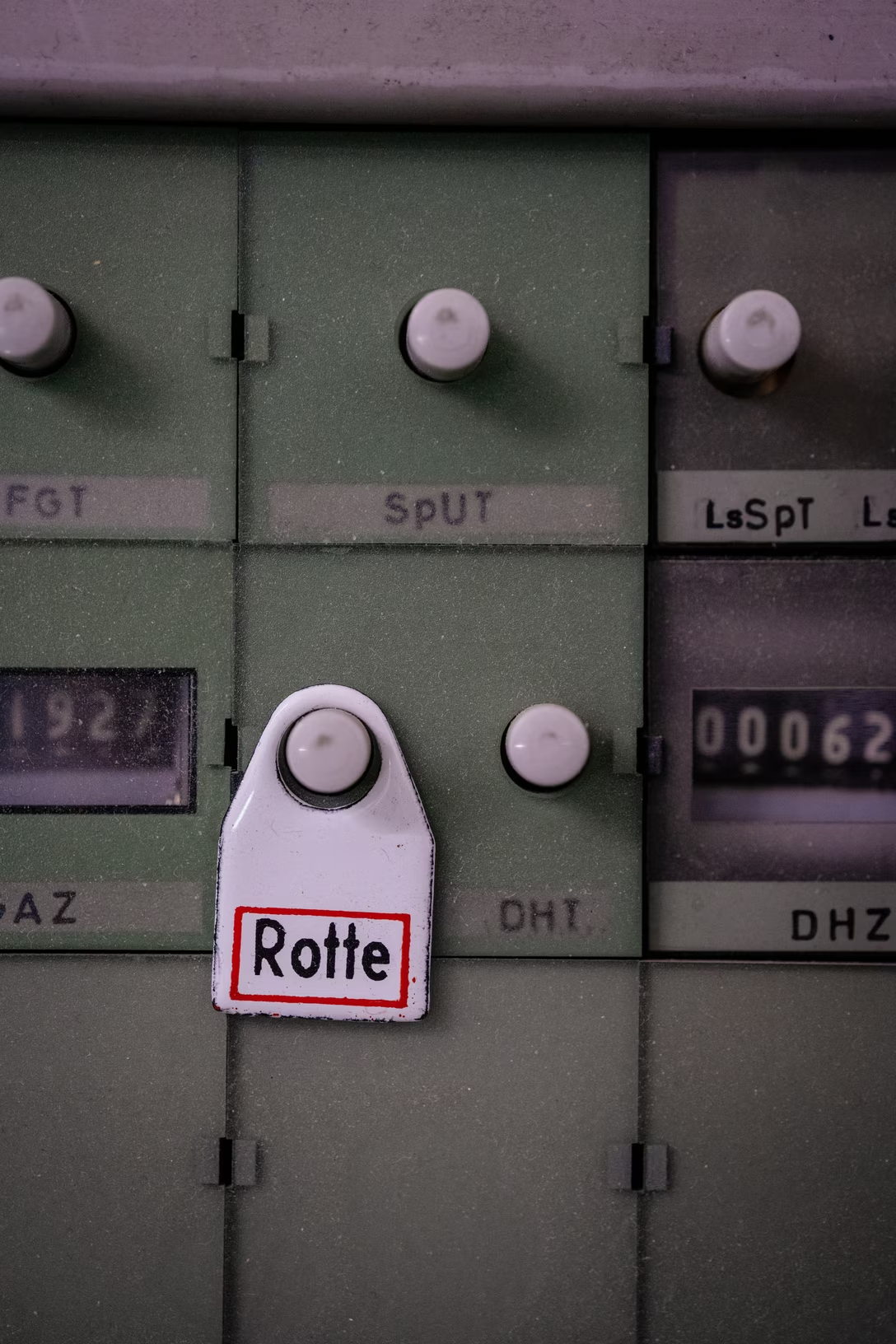
And I believe this was a way to annotate that something was… fixed, maybe? Or on its way to being fixed?
A railway museum in Nuremberg used what looks like the exact same system, and I spotted a few modules with their plates removed:
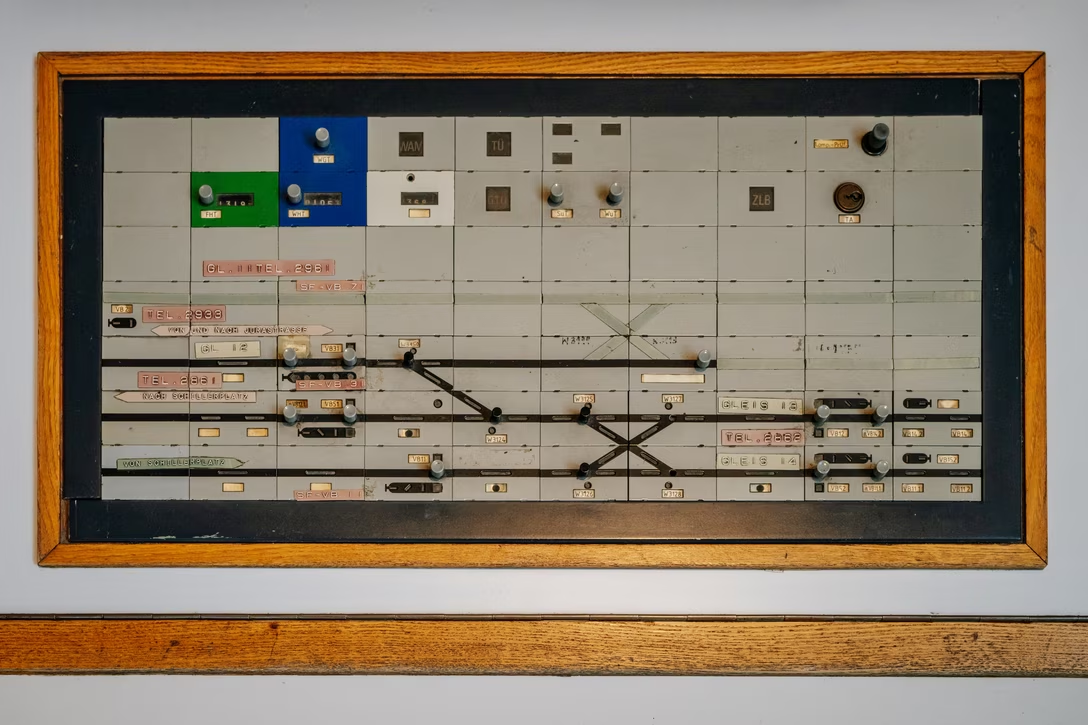
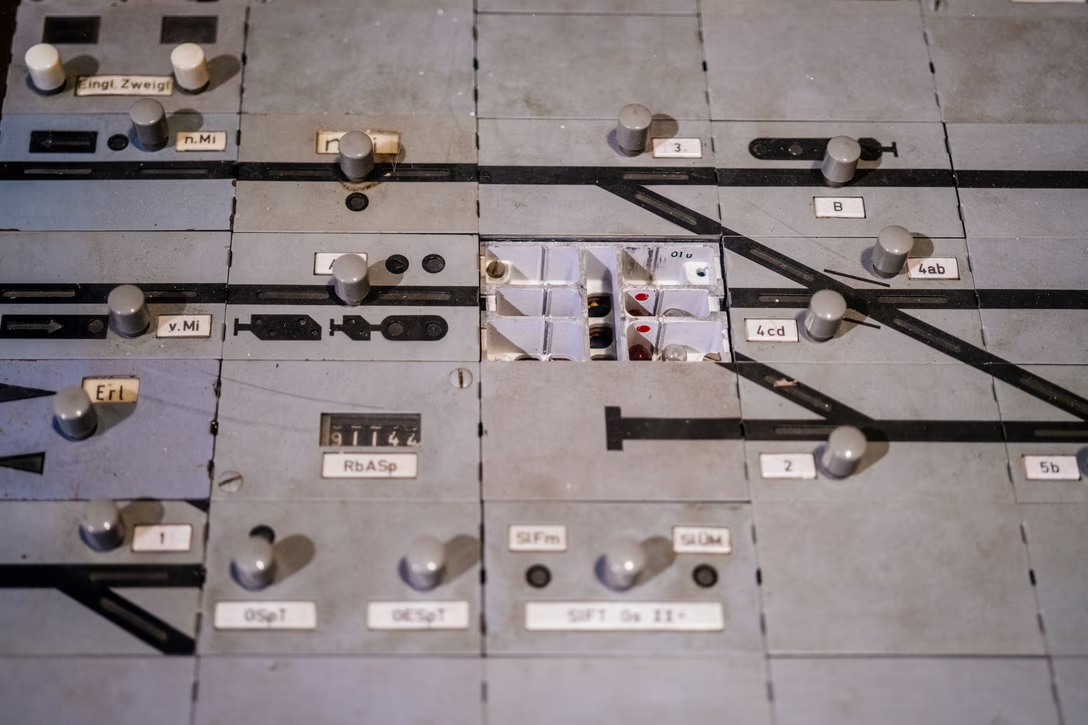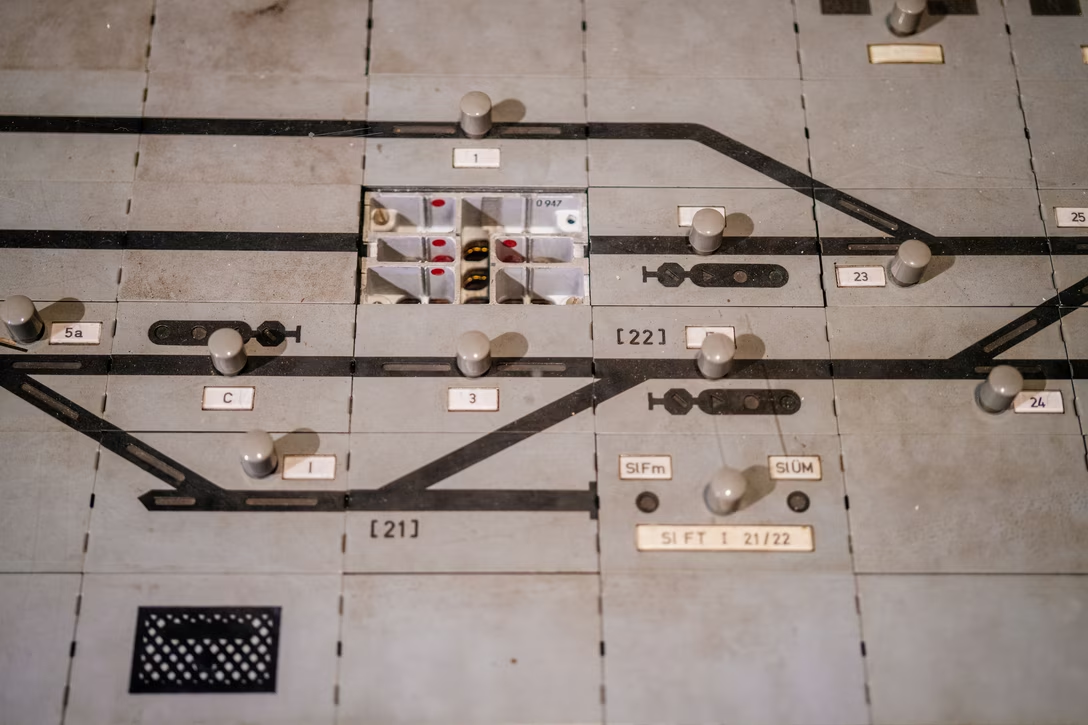And, here’s a similar panel shown in a tram museum in Stuttgart, filled with an incredible typographical tension between DIN and the German equivalent of Dymo:
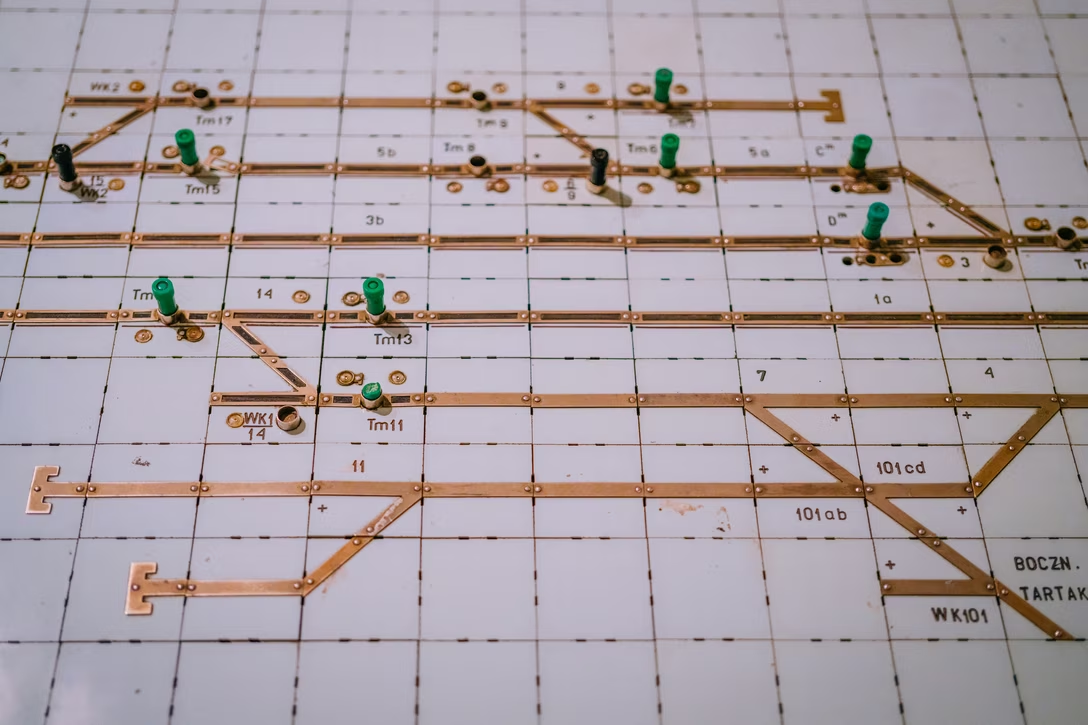
Warsaw’s train museum had a slightly different system, but similar in look and feel:
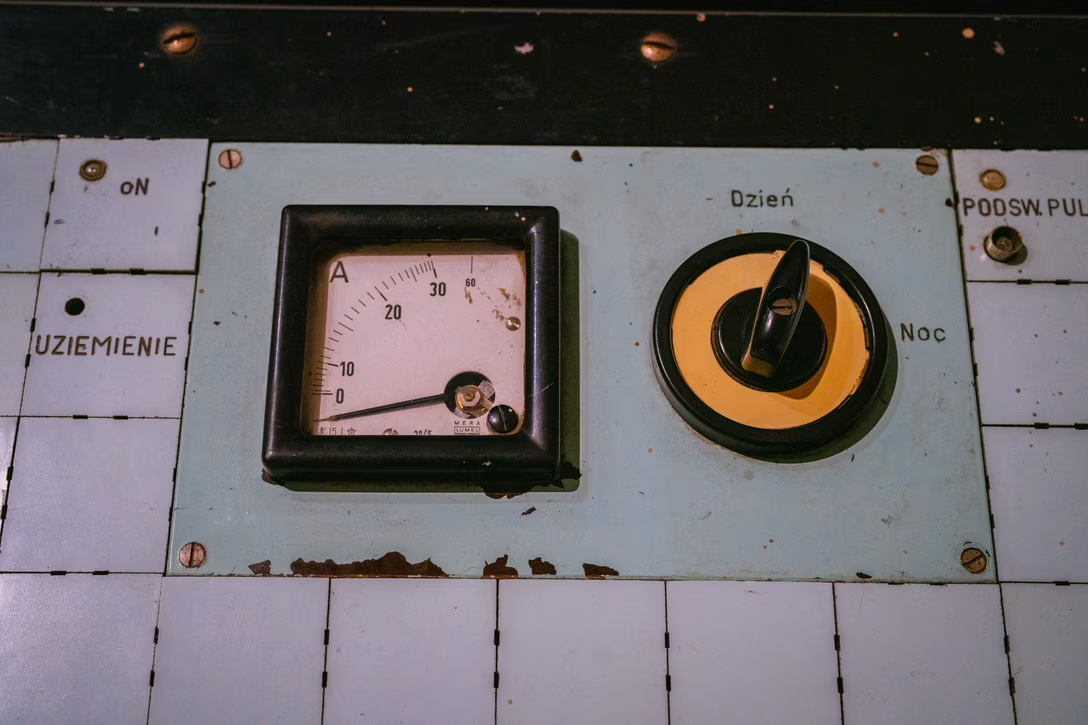
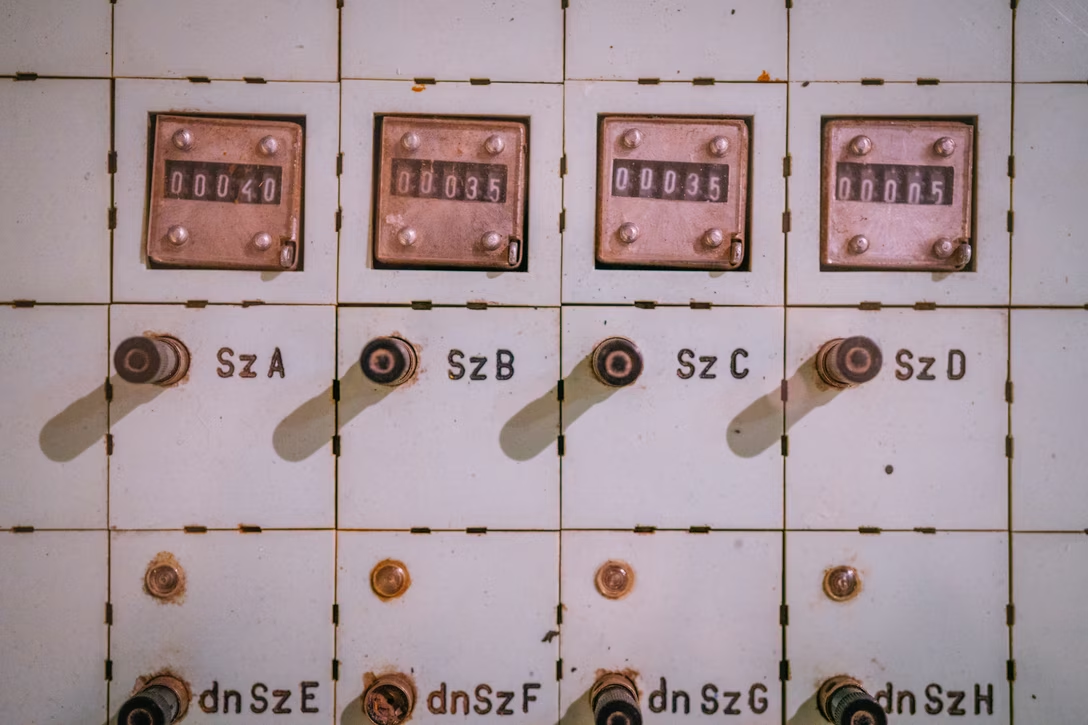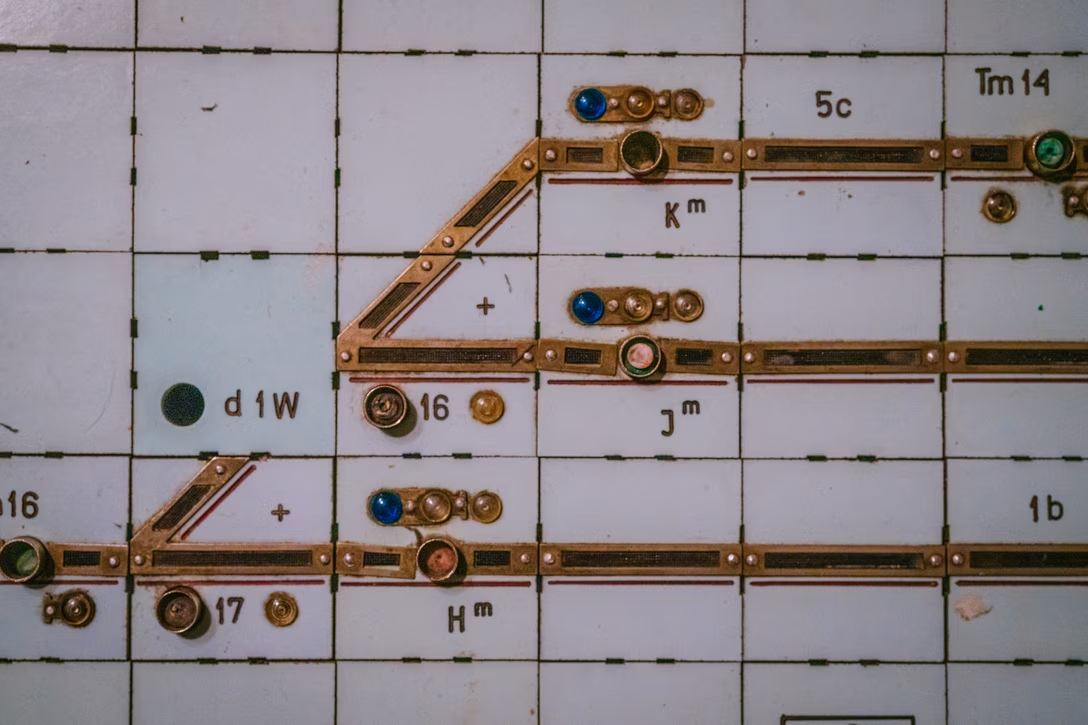This big industrial switch toggled between day and night\. I don’t know if it changed the operation of the system, or is just switched on some sort of a dark mode for the panel itself:
And this was at the DASA Museum in Dortmund, from a power plant control room:
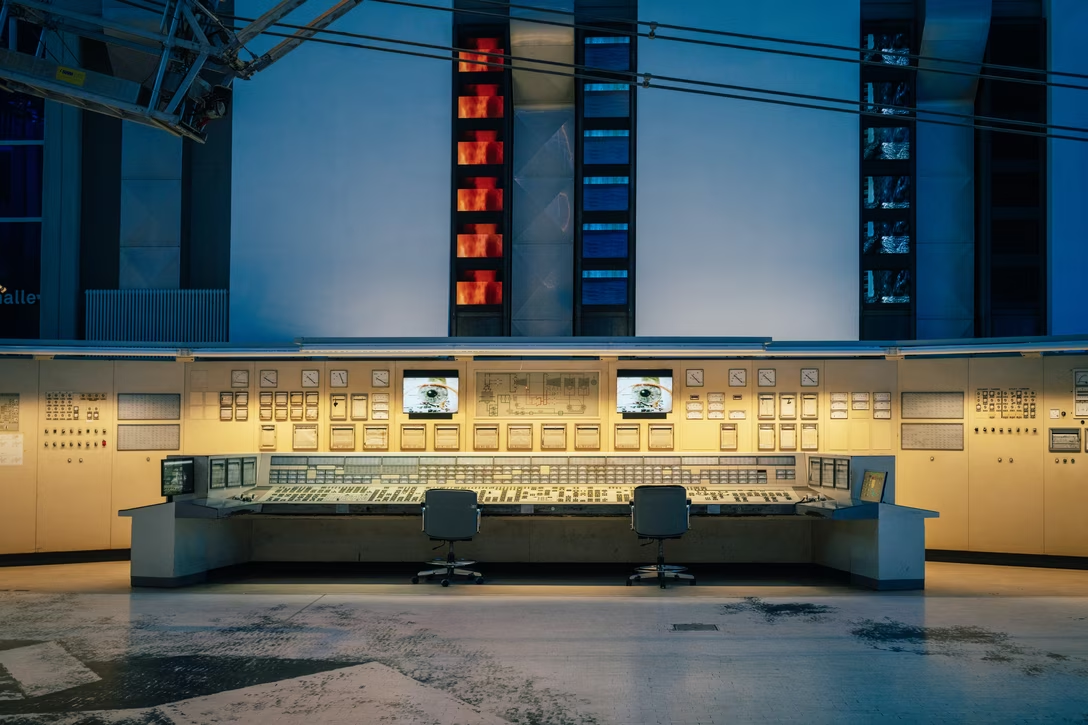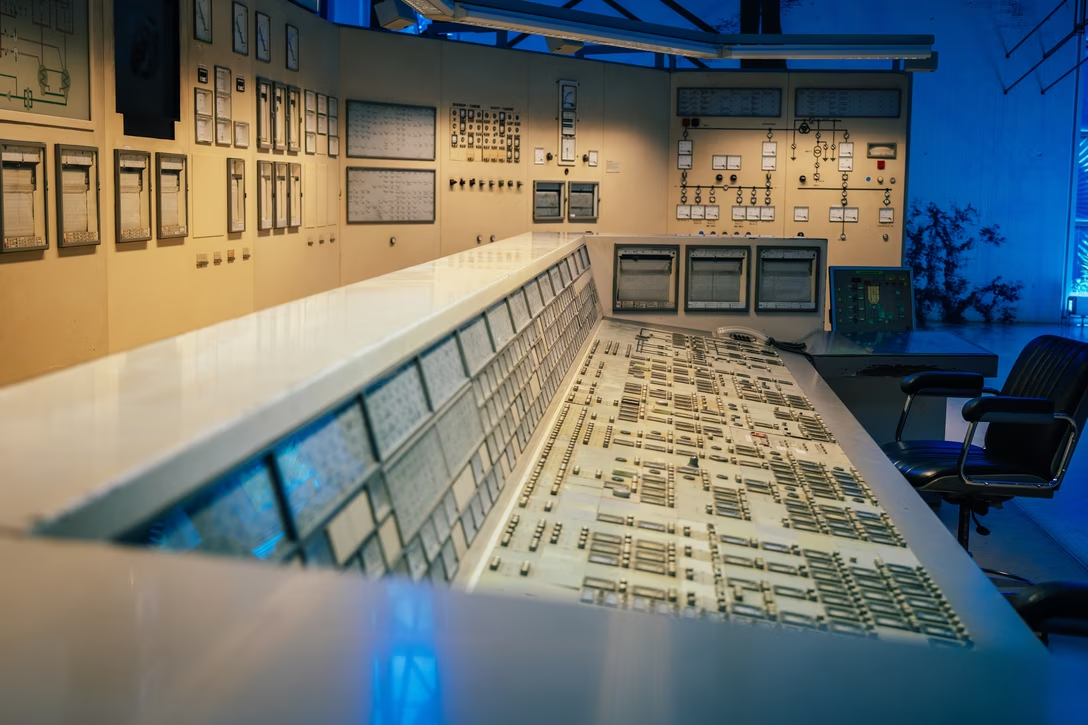This was by far the biggest one of the ones I’ve encountered…
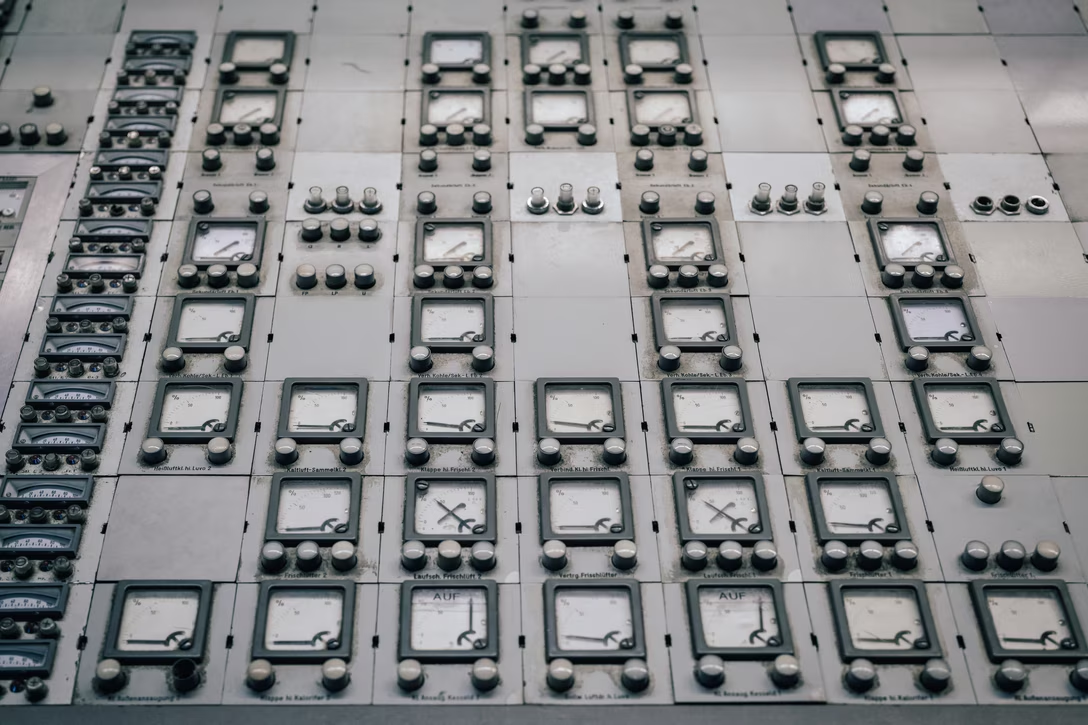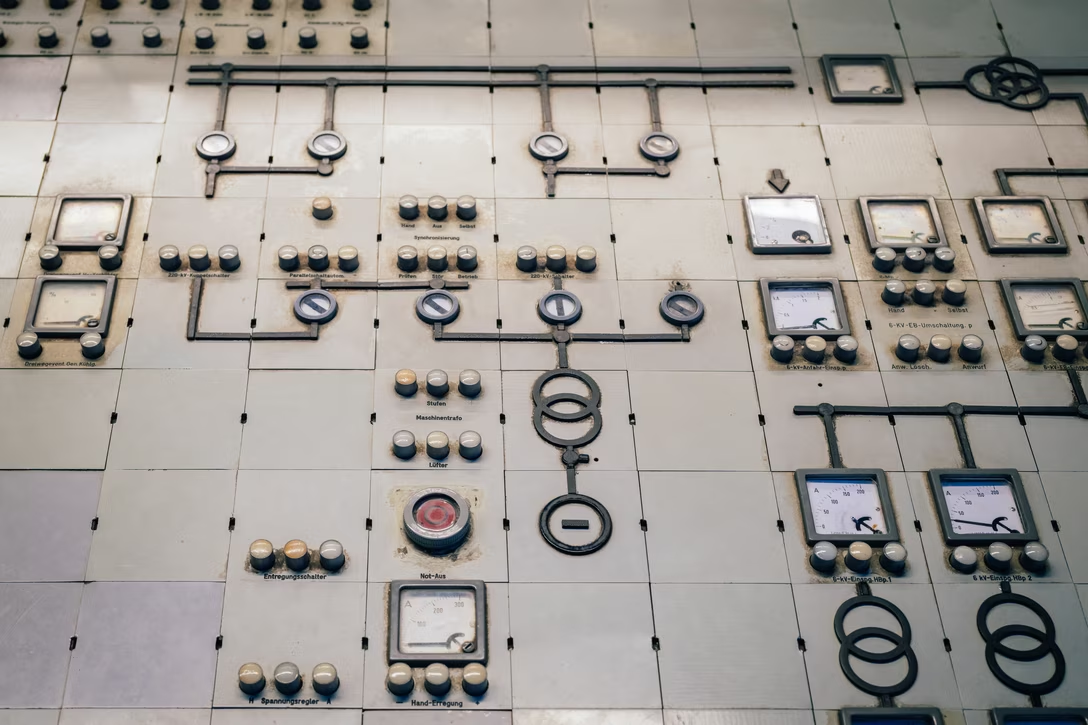…with the biggest variety of modules…
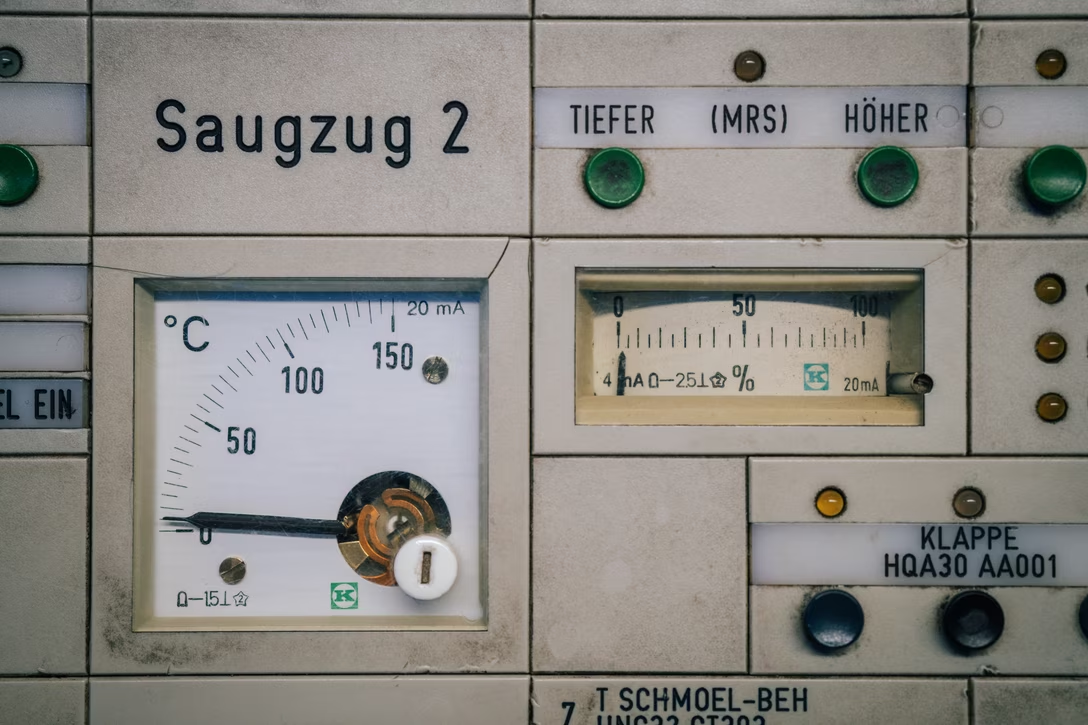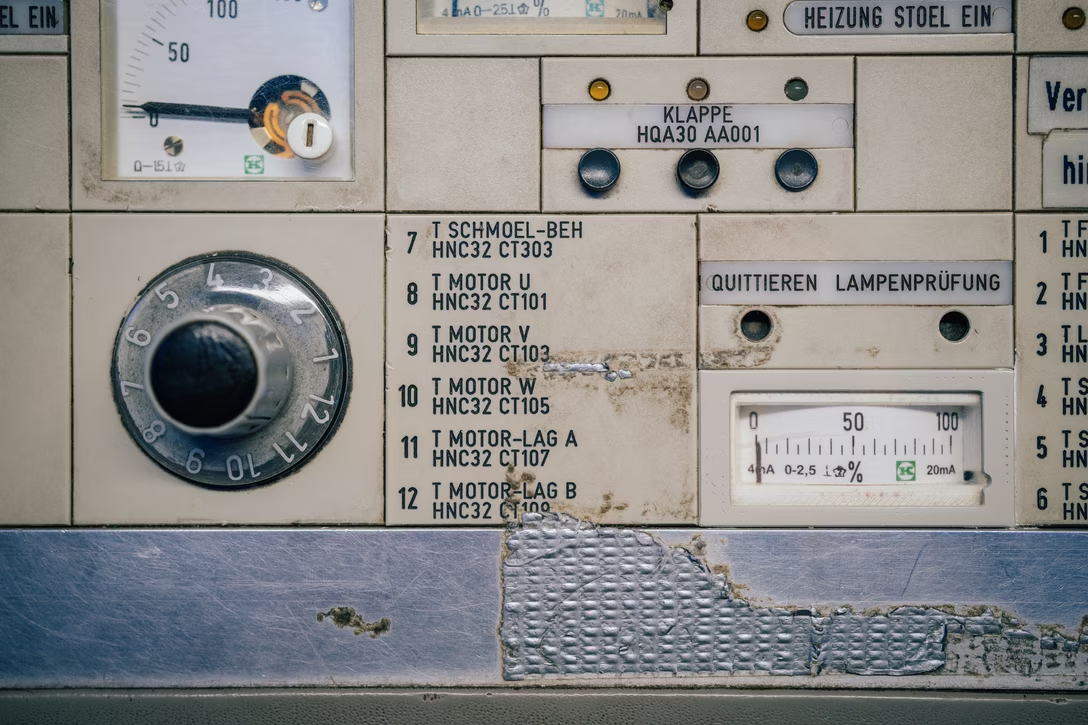This was also the panel I showed[some molly guards](https://unsung.aresluna.org/more-molly-guards/)from before\. But today I want to end at this great switch:
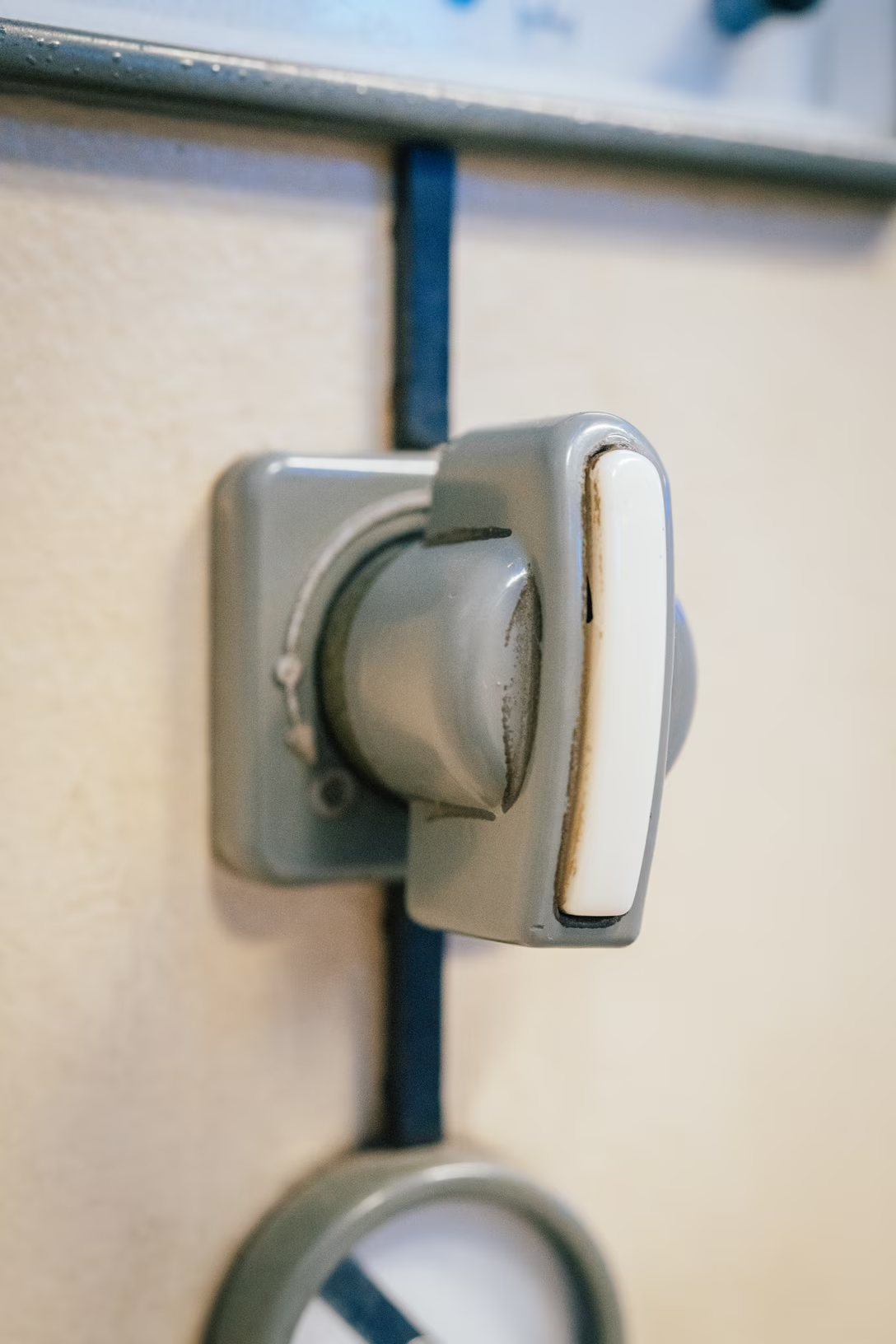Don’t you just want to rotate it, no matter what it does?