# GFPGAN by tencentarc - AI Face Restoration Model
Source: [https://replicate.com/tencentarc/gfpgan](https://replicate.com/tencentarc/gfpgan)
## Examples
[View moreexamples](https://replicate.com/tencentarc/gfpgan/examples)
[](https://replicate.com/tencentarc/gfpgan/examples#wdj2fedsczdtzeflmvzyu4hata)
[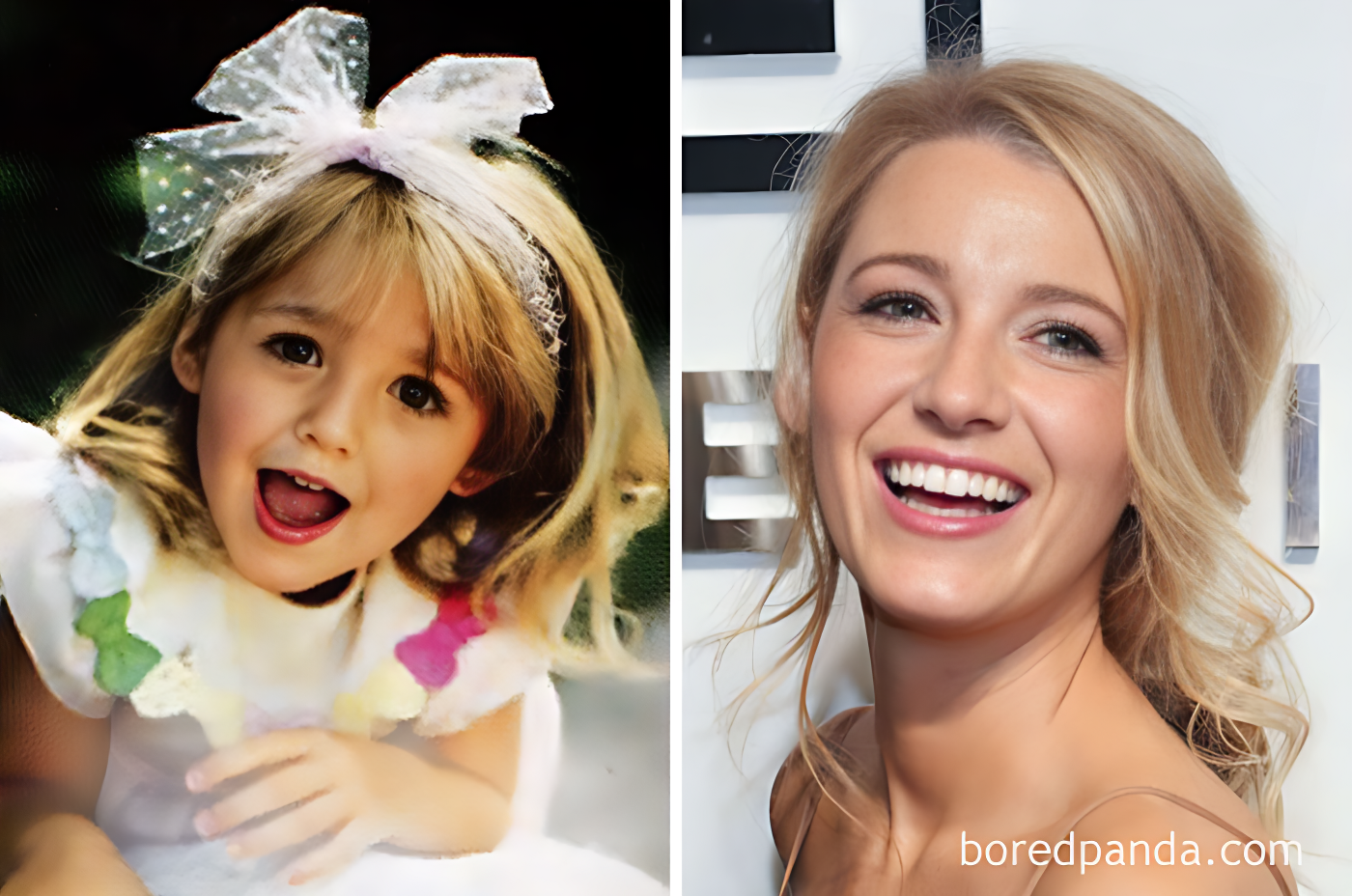](https://replicate.com/tencentarc/gfpgan/examples#ya2he2bwmjdaxb2mg2fwj4ejn4)
[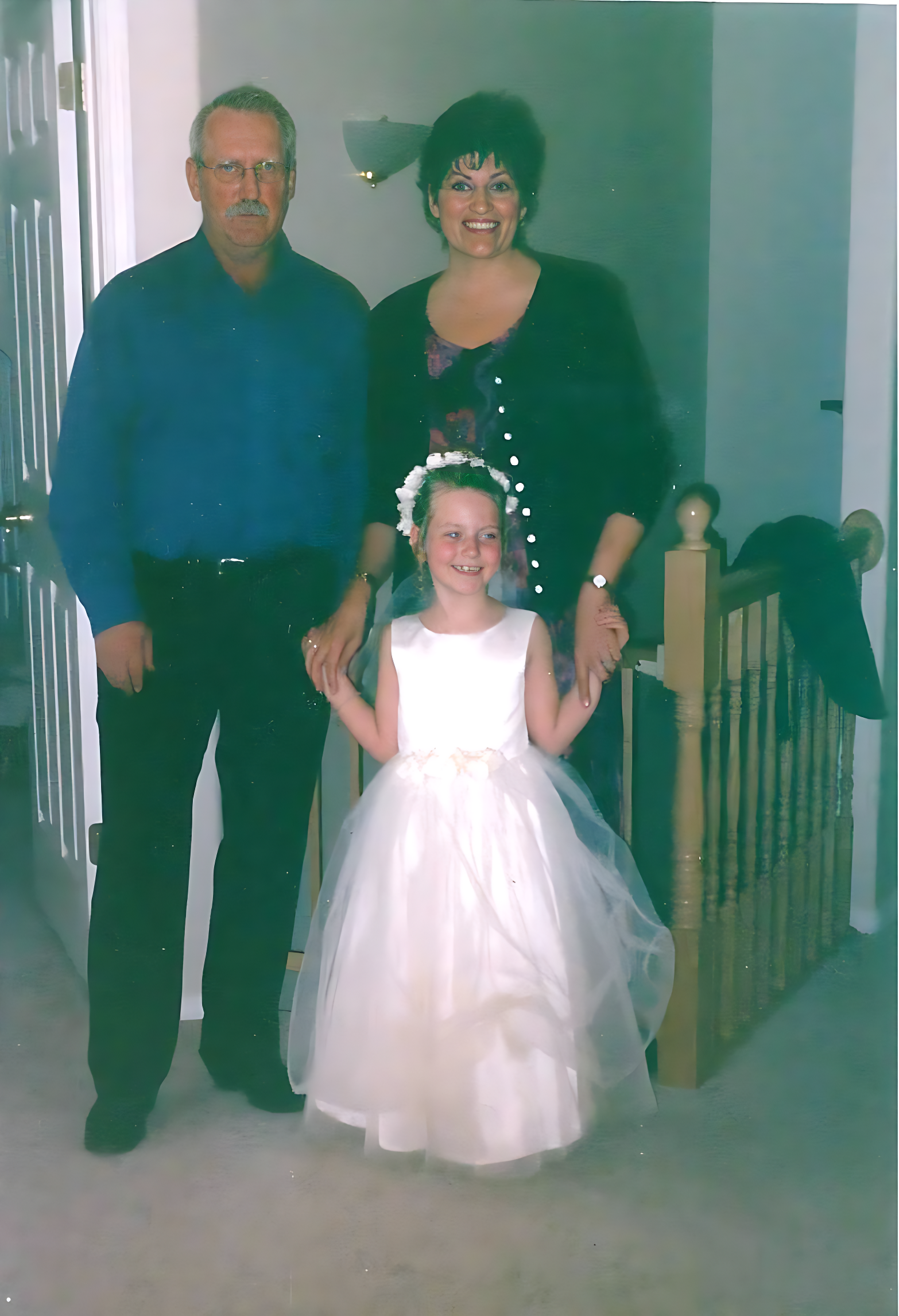](https://replicate.com/tencentarc/gfpgan/examples#xpyncbsrhzavpdjjpwzwi5cf5q)
[](https://replicate.com/tencentarc/gfpgan/examples#2j4duq3vbfbblgd7jqx5xrcngi)
[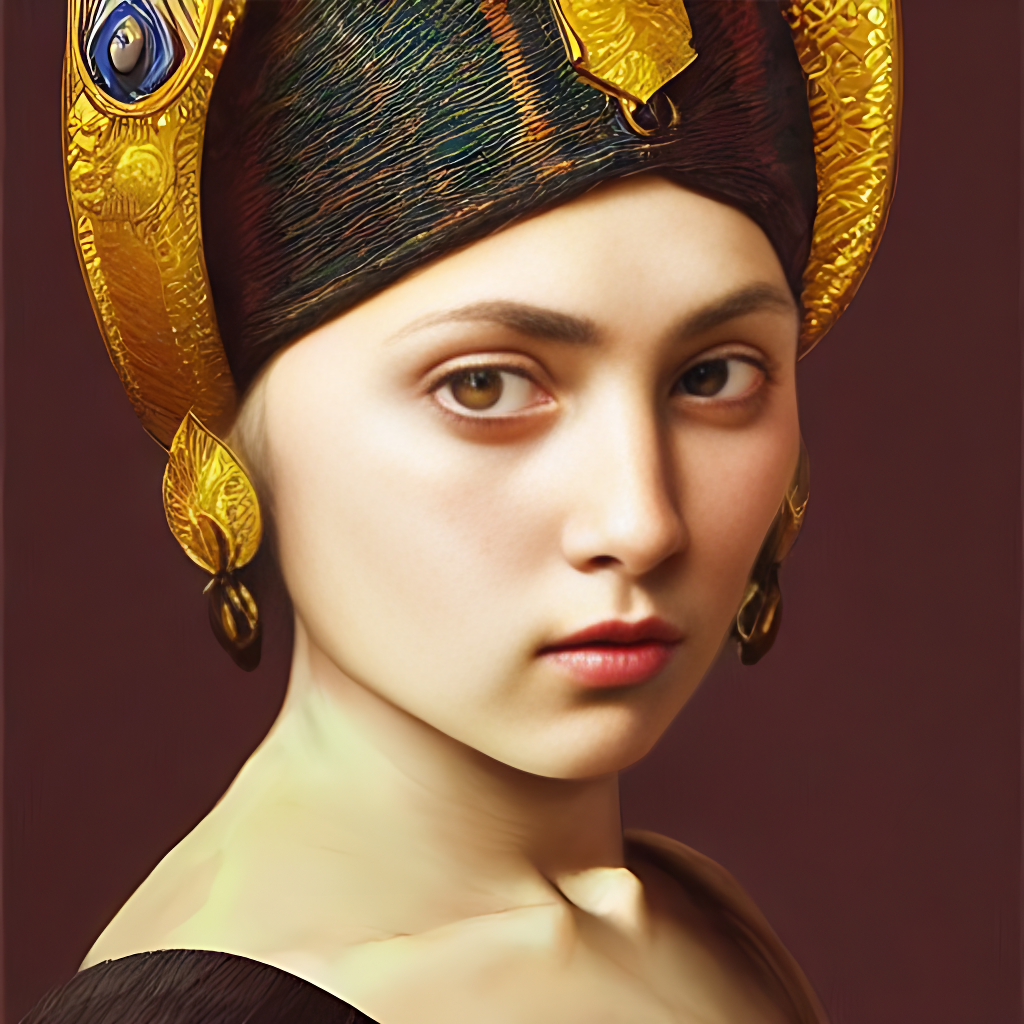](https://replicate.com/tencentarc/gfpgan/examples#ffu2e6aw4barxliwxu23ydgbnu)
## Run time and cost
This model costs approximately $0\.0029 to run on Replicate, or 344 runs per $1, but this varies depending on your inputs\. It is also open source and you can[run it on your own computer with Docker](https://replicate.com/tencentarc/gfpgan/api)\.
This model runs on[Nvidia L40S GPU hardware](https://replicate.com/docs/billing)\. Predictions typically complete within 4 seconds\.
## Readme
## Replicate demo for GFPGAN
(You may need to login in to upload images~)
GFPGAN aims at developing**Practical Algorithm for Real\-world Face Restoration**\.
If GFPGAN is helpful, please help to ⭐ the[Github Repo](https://github.com/TencentARC/GFPGAN)and recommend it to your friends 😊
[](https://github.com/TencentARC/GFPGAN/releases)[](https://github.com/TencentARC/GFPGAN)[](https://arxiv.org/abs/2101.04061)
## 📧Contact
If you have any question, please email`xintao\.wang@outlook\.com`or`xintaowang@tencent\.com`\.
Model createdover 1 year ago
Pixal3D is a high-fidelity single-image-to-3D model by TencentARC and Microsoft, which explicitly lifts pixel features into 3D via back-projection for near-reconstruction-level geometry and PBR textures. The model is accepted to SIGGRAPH 2026, with inference code and demo available.
AFP-GIC, a controllable generative image compression framework published in IEEE Access (2026), uses an asymmetric Adaptive Fused Prior Transfer pipeline to reduce hallucinations and local distortion at ultra-low bitrates, achieving 18.1% lower decoder latency and 20.5% fewer parameters than DC-VIC, with released code, benchmark data, and an interactive Hugging Face demo.
FFAvatar proposes a feed-forward framework for reconstructing high-quality, animatable 3D Gaussian head avatars from few unposed images in seconds, achieving a 5.5 PSNR improvement over state-of-the-art on the NeRSemble benchmark.
NVIDIA researchers present GATOR, a generative and agentic framework that reconstructs complete, textured 3D object assets and their scene-relative pose from one or more casual images, using a local modality mixer, text-guided semantic conditioning, and an edit-render-review agent loop for refinement.