@SteveStuWill: Economic freedom is the only surefire way that humans have discovered to create wealth. https://stevestewartwilliams.co…
Summary
A newsletter linkfest summarizing recent research articles on topics including depression, face recognition, gender differences, personality, and political affiliations in academia.
View Cached Full Text
Cached at: 09/28/26, 05:29 AM
Economic freedom is the only surefire way that humans have discovered to create wealth. https://stevestewartwilliams.com/p/a-new-cure-for-depression-an-innate…
A New Cure for Depression, an Innate Love of Faces, and Six More Fascinating Sex Differences
Source: https://www.stevestewartwilliams.com/p/a-new-cure-for-depression-an-innate Share
Welcome to the March 2025 edition of the N3Newsletter Linkfest - a selection of links to papers and articles that caught my eye over the last month. On the menu this time:
- Donating to charity as a cure for depression
- Strong evidence that infants are innately attentive to faces
- A new example of thegender-equality paradox: the discovery that sex differences are larger, rather than smaller, in more gender-equal nations
- How your personality predicts how long you’ll live
- Heterodox thinking on trans issues
We’ll also ask: Are people getting less intelligent? Who watches more women’s sports, men or women? And why do people disagree about whether a given act is racist or sexist?
You can access the complete collection of Linkfestshere.
-
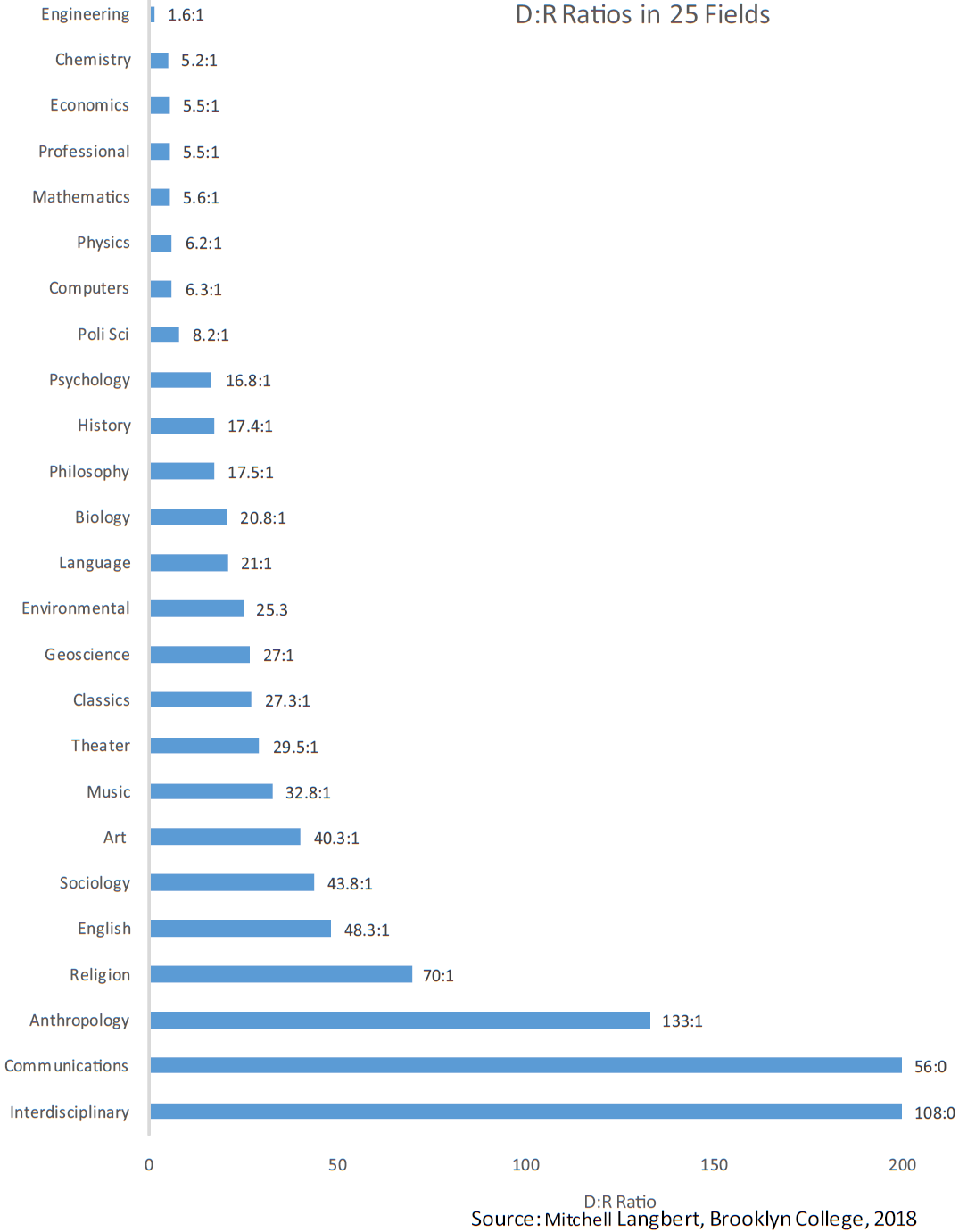
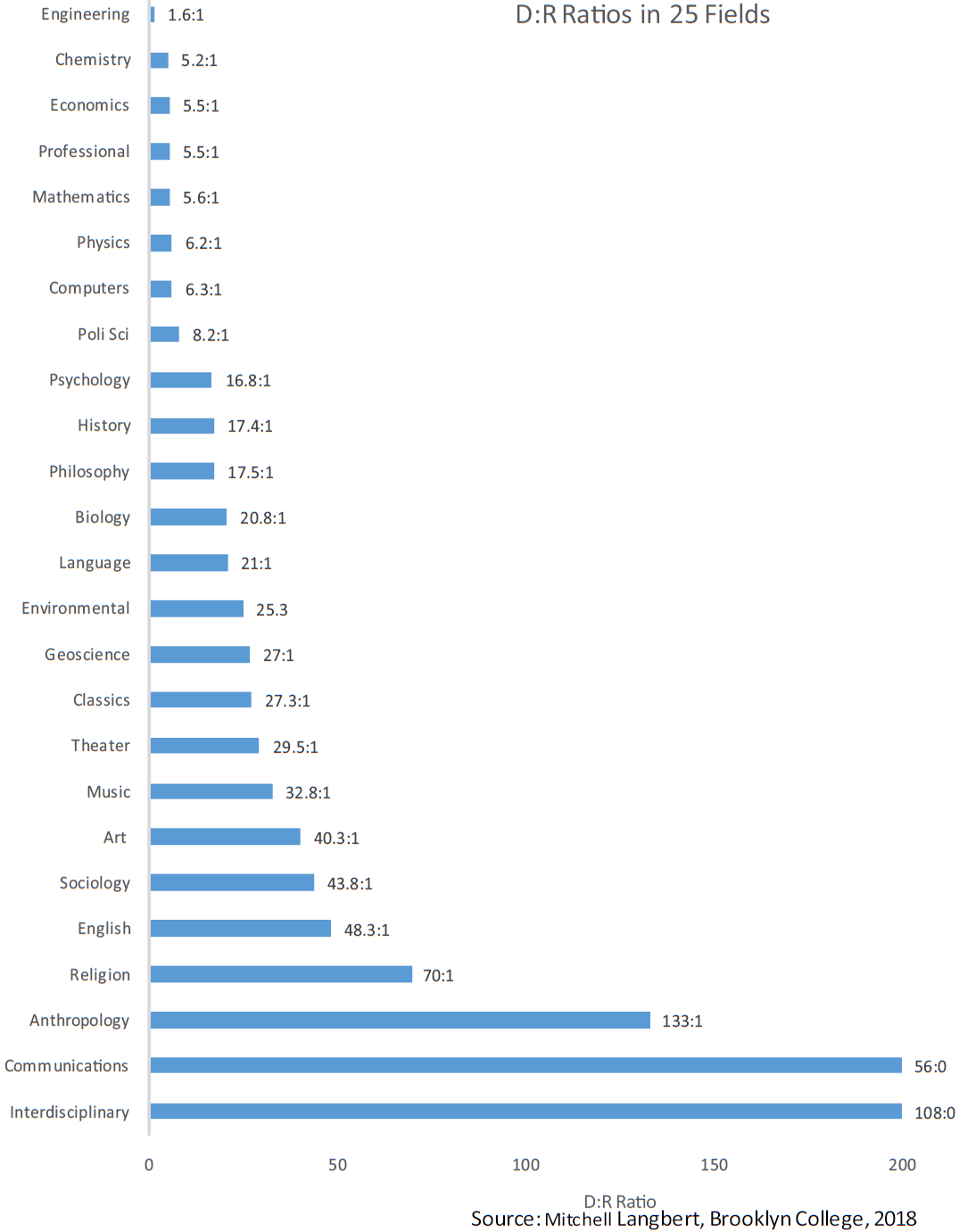
The graph below shows the ratio of Democrats to Republicans in various academic fields. The ratios span from 1.6 to 1 in engineering - that is, 16 Democrats for every 10 Republicans - to 56 to 0 in communications and 108 to 0 in interdisciplinary studies. Economics is sometimes described as a right-wing field - and compared to most other fields, I guess it is: There are “only” five left-leaning economists for every one conservative! [Link.]
-
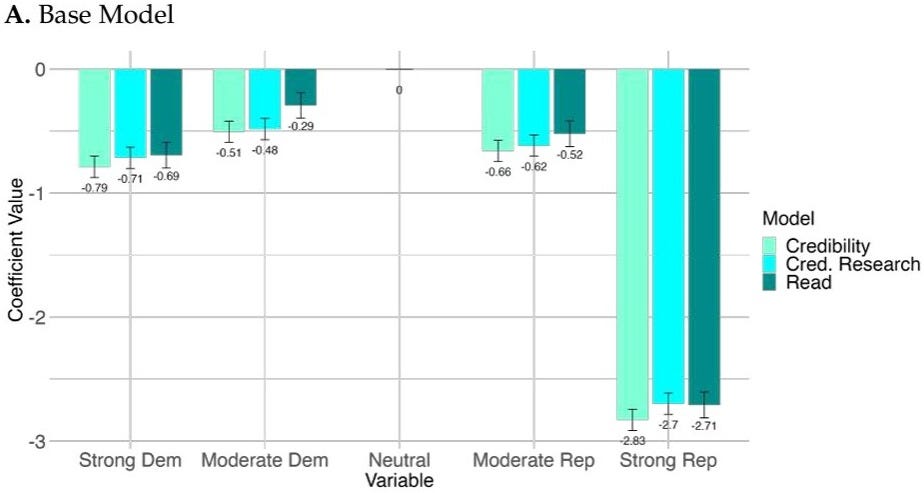
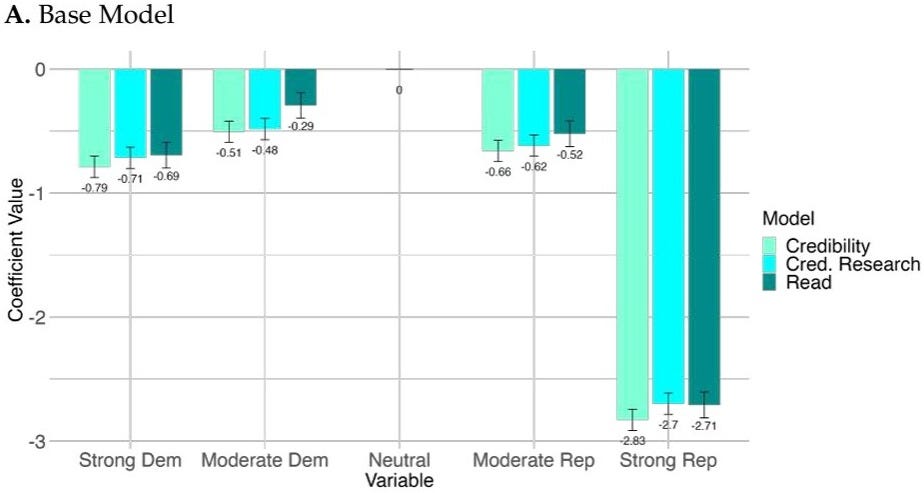
Taking political stands undermines scientists’ credibility - and the stronger the stand, the greater the hit to their cred. Politically neutral scientists are seen as the most credible. [Link.]
-
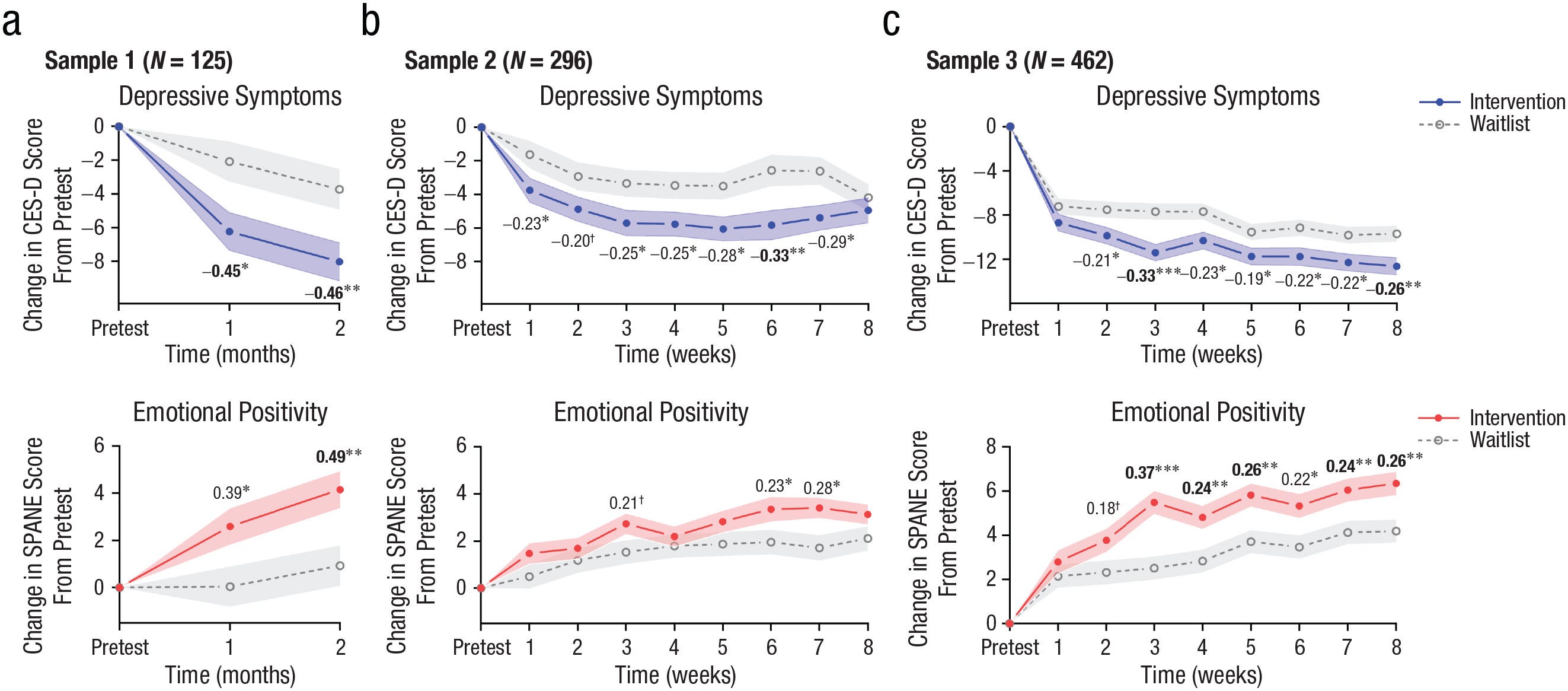
This might be my favorite finding of the month: Donating to charity - even just a little - may help to alleviate depression. And the best part is that, if it turns out that donatingdoesn’tactually alleviate depression, it was still worth it because you made the world a better place! [Link.]
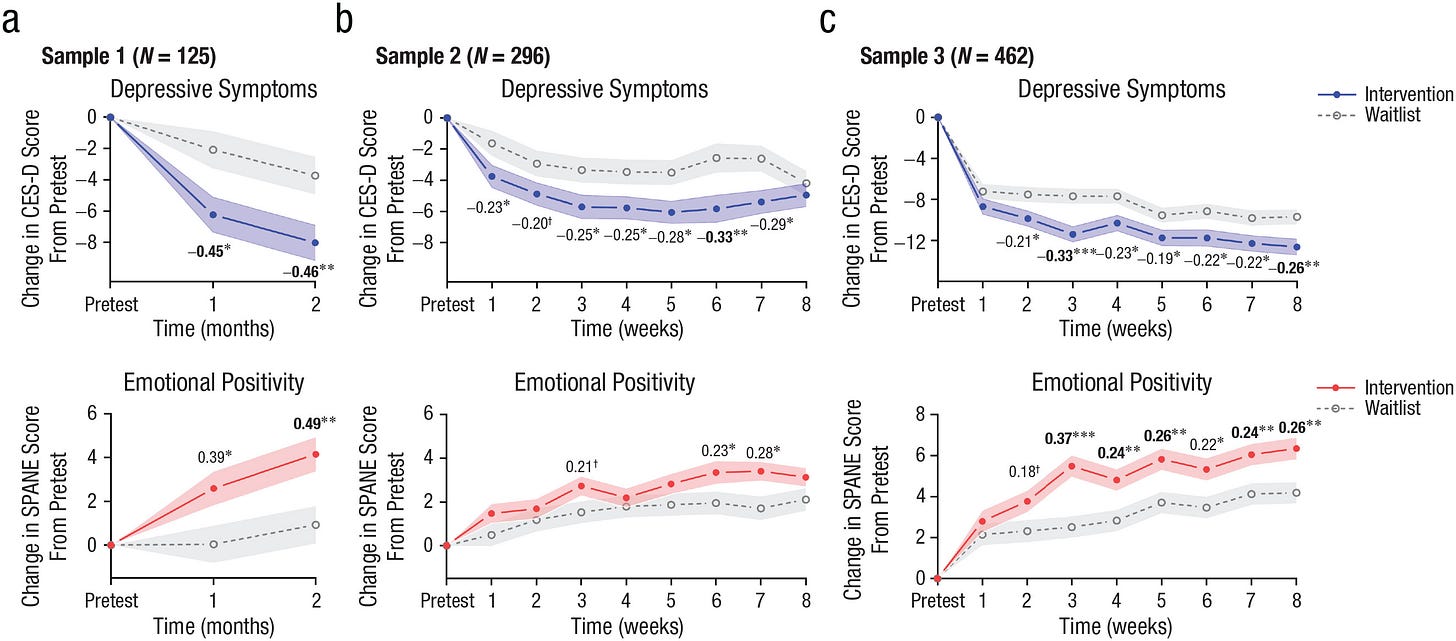 Mean changes in depressive symptoms and emotional positivity in Sample 1 (a), Sample 2 (b), and Sample 3 (c). The bands represent standard errors (SEs). We indicated the effect sizes (Cohen’sd) and the significance of group differences in the figure; bolded effect sizes indicating sufficient statistical power (≥ 80%). CES-D = Center for Epidemiologic Studies Depression Scale; SPANE = Scale of Positive and Negative Experience. †p< .10. *p< .05. **p <.01. ***p< .001. Source:Zhang et al. (2025).
 -
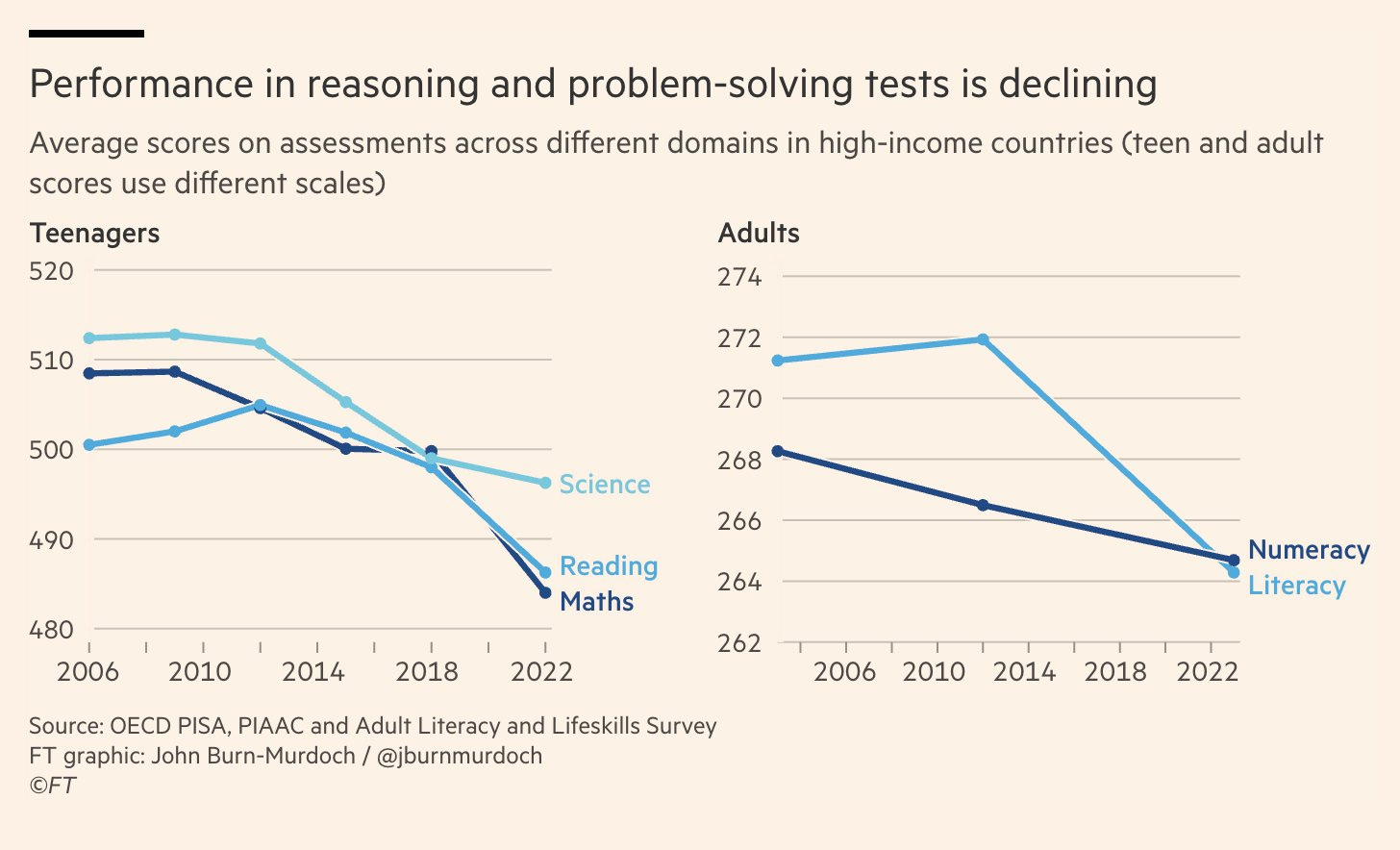
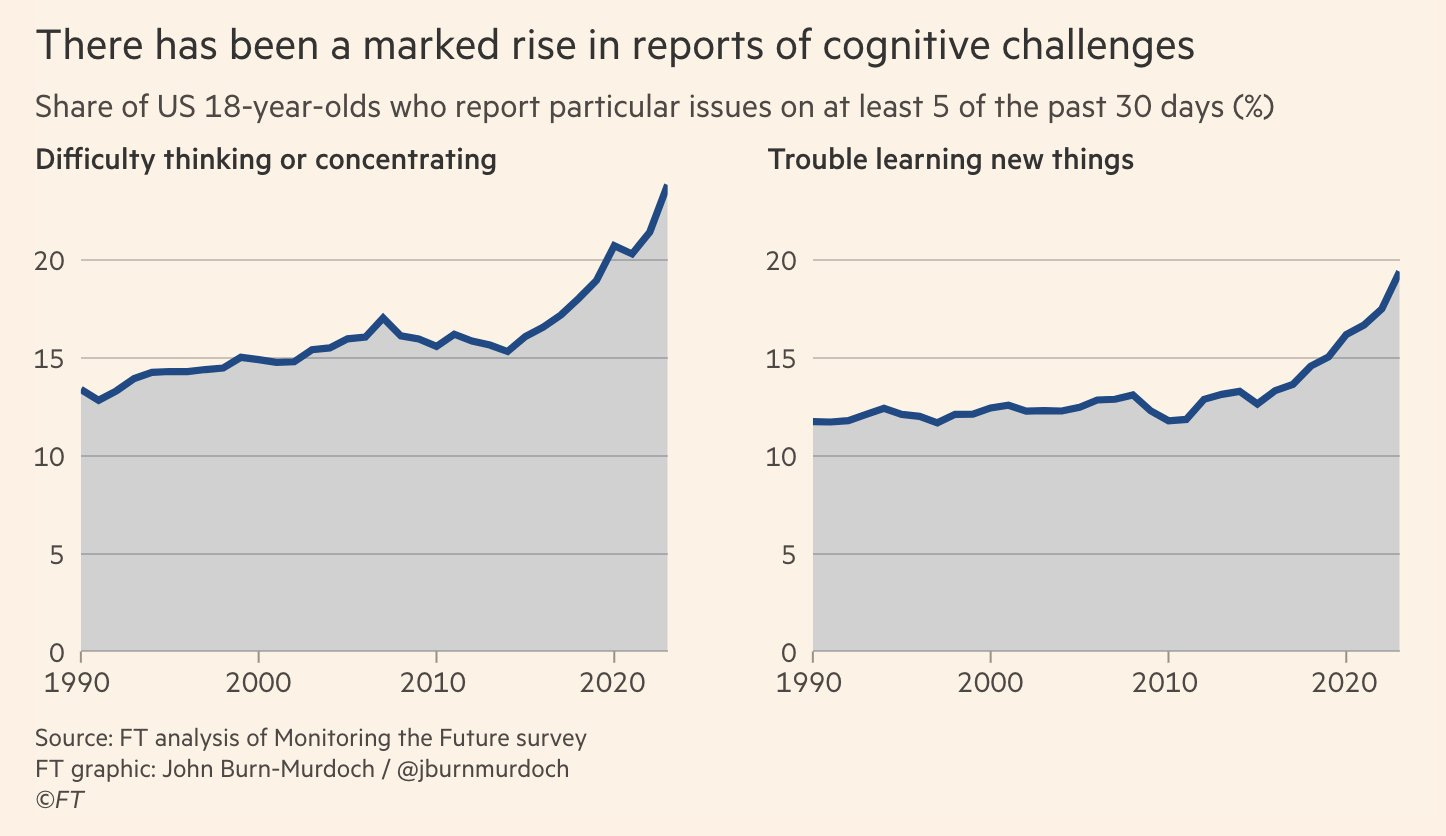
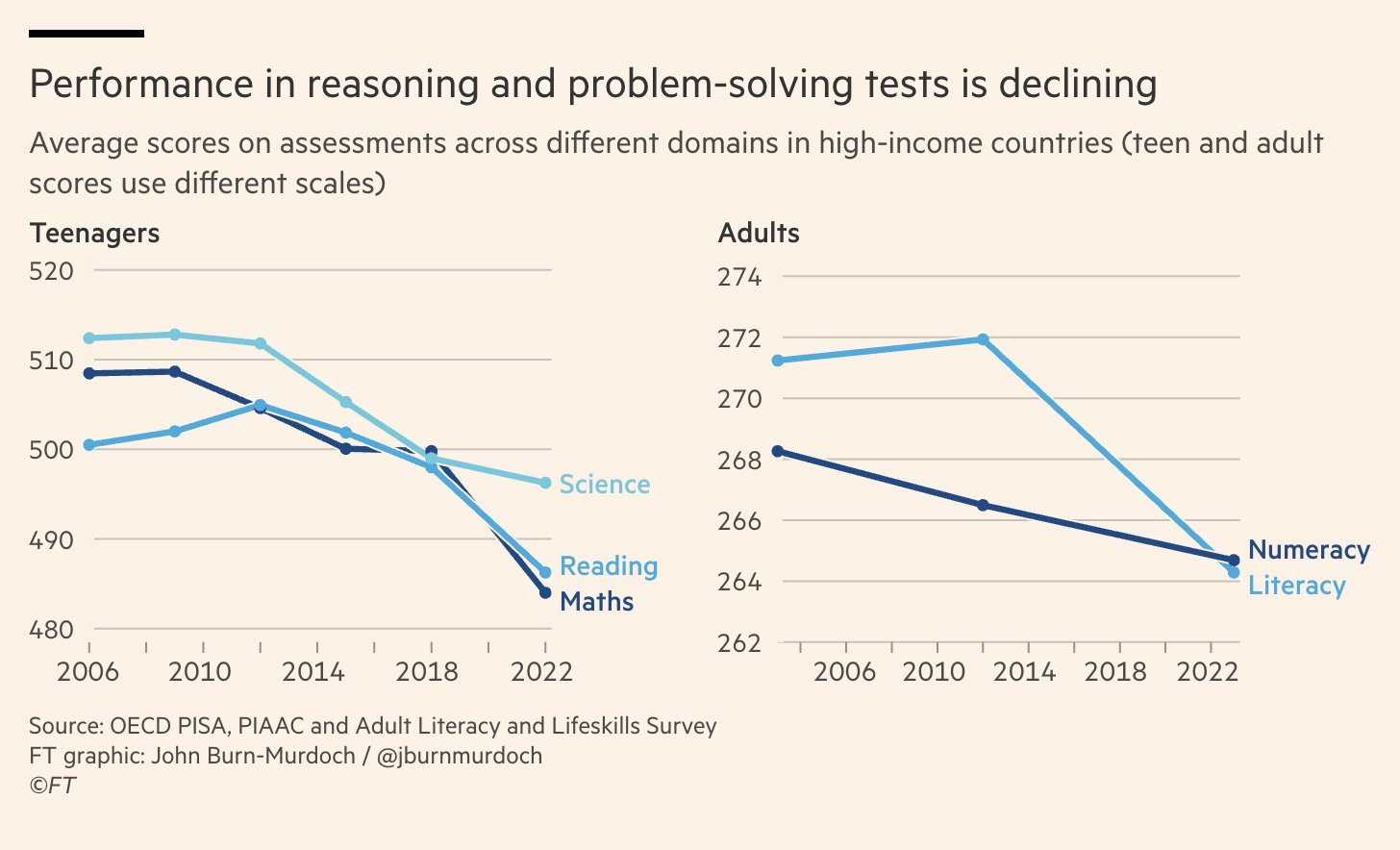
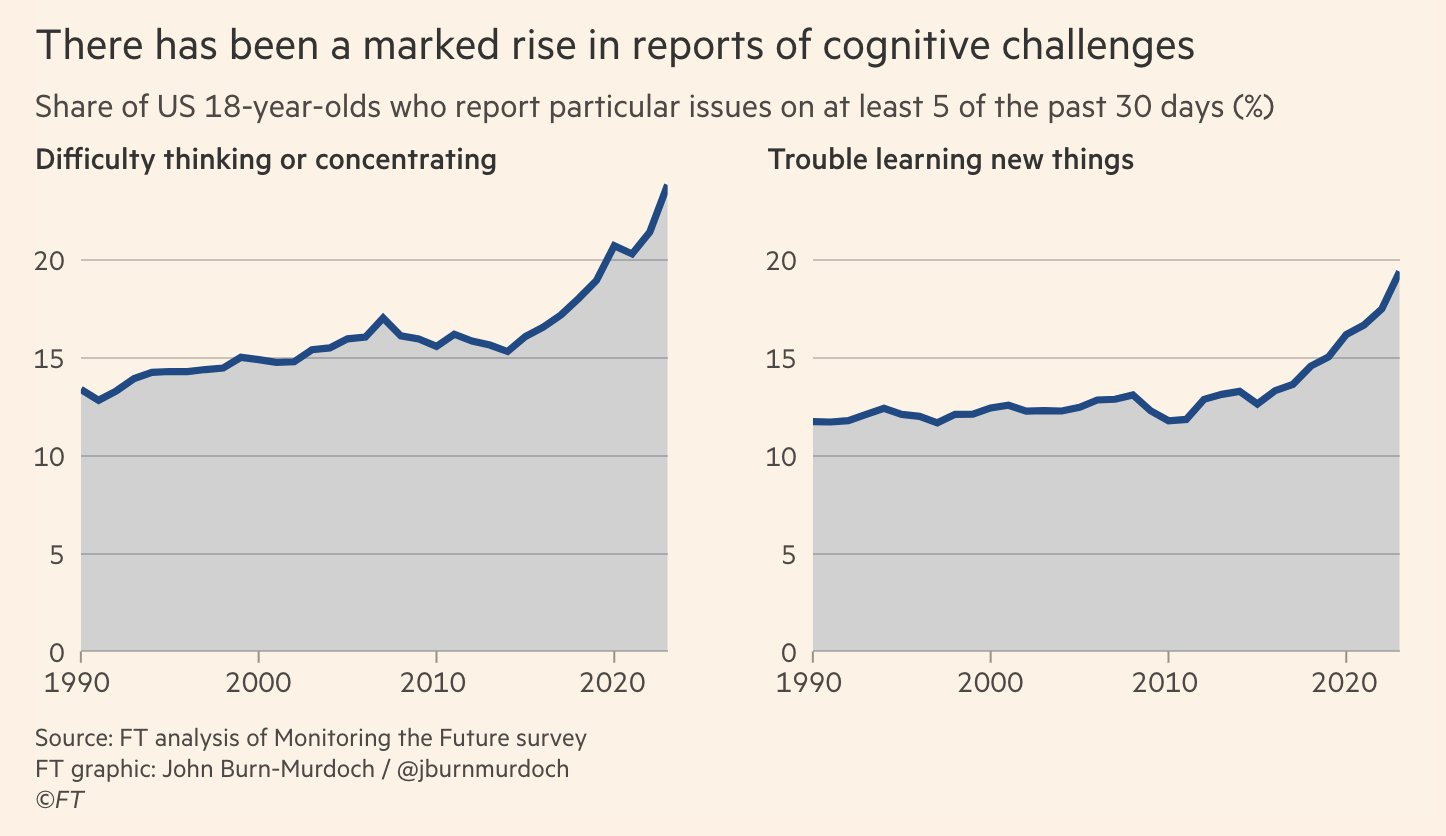
John Burn-Murdoch has a disquieting piece in theFinancial Timesarguing that people are getting worse at reading, math, and reasoning, and struggling more to concentrate and learn things. This is true not only for adolescents but also for adults. And we can’t blame it all on COVID; the trendlines started turning downward in the mid-2010s, before the pandemic struck. Burn-Murdoch attributes the decline to the fact that people are reading less and spending more time passively consuming social media. Other possibilities include changes in the tests and in the composition of the samples. [Link.]
-
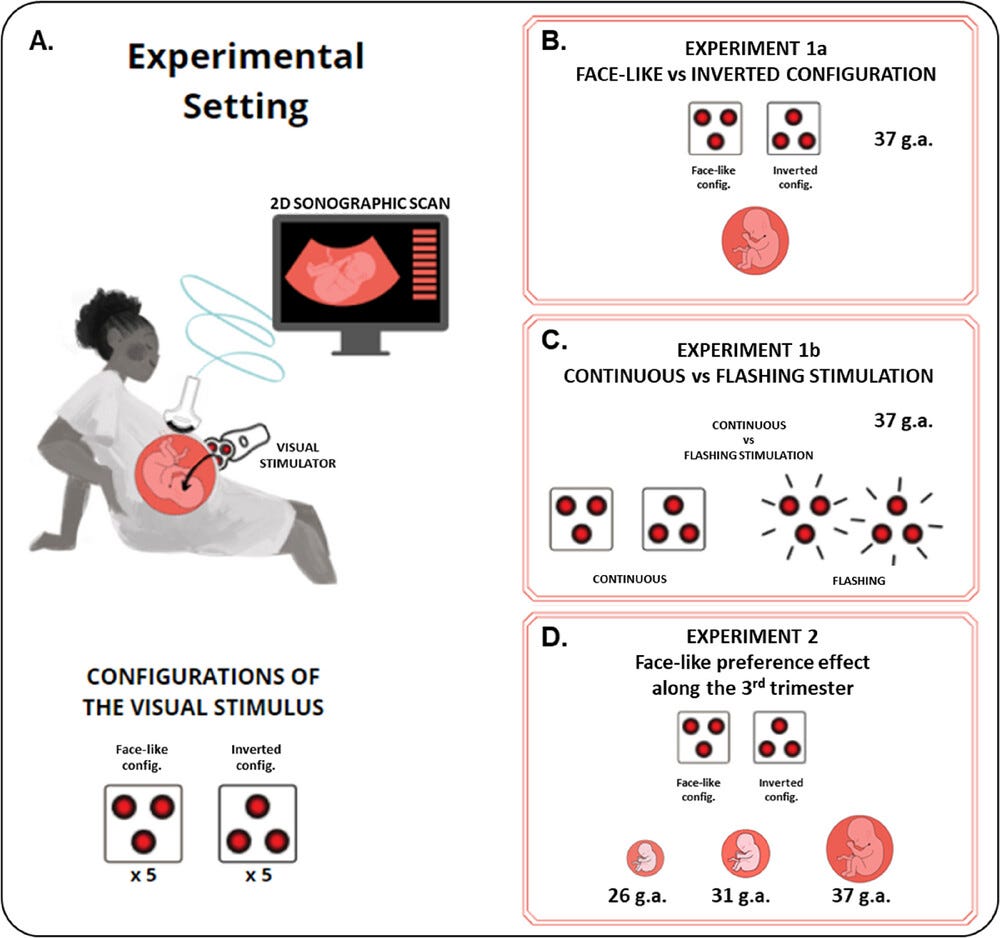
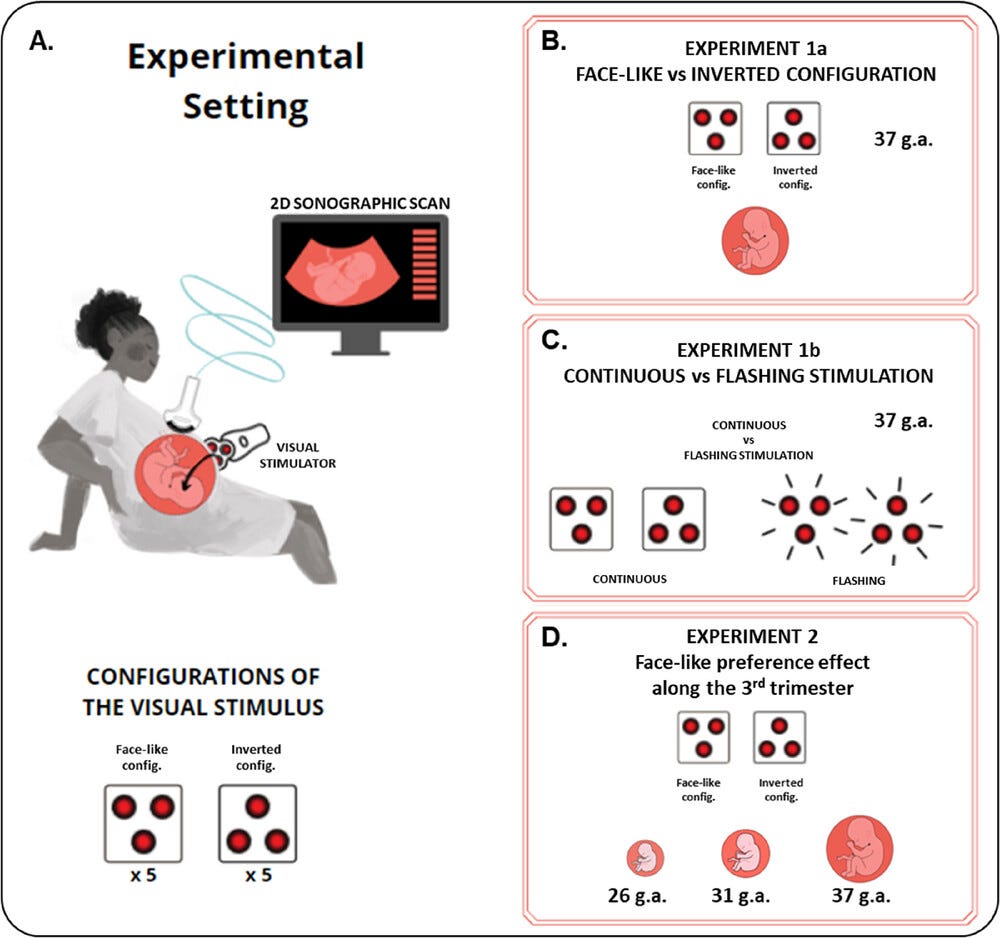
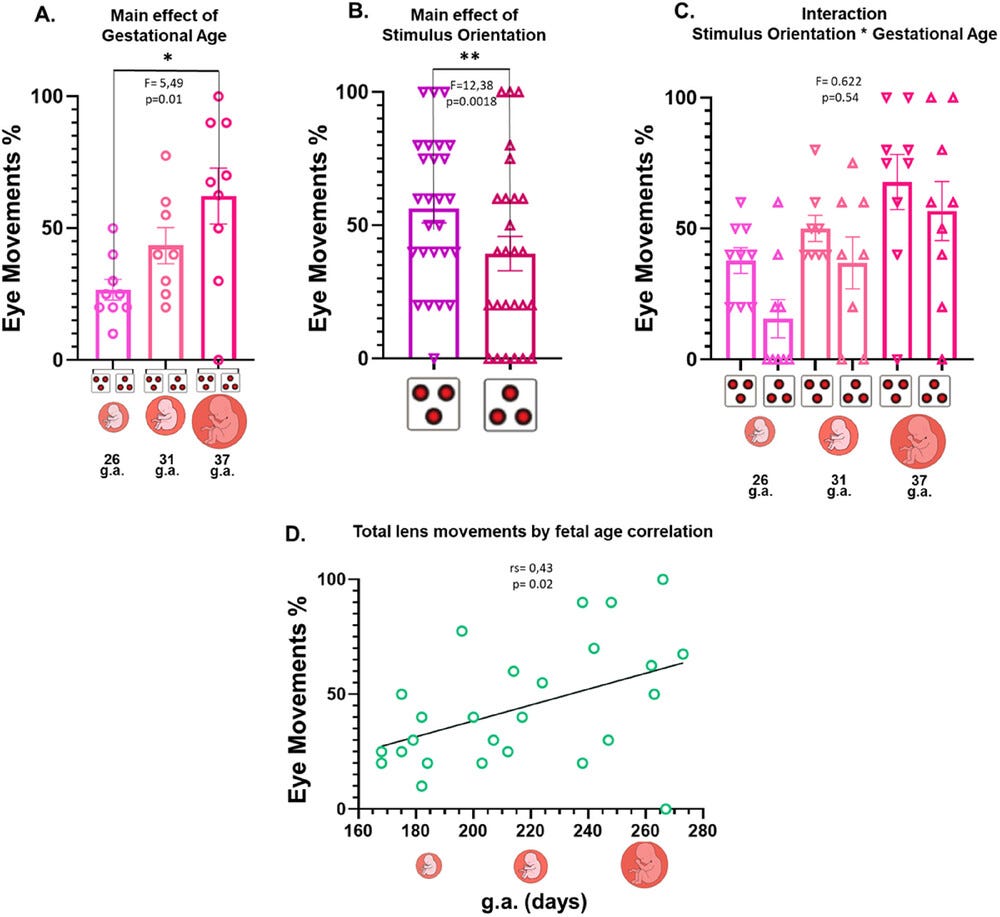
Amazing: Babies are more attentive to face-like stimuli than non-face stimuli - even before they’re born. Researchers exposed fetuses to face-like or non-face-like patterns by shining lights through the uterine wall. By the start of the third trimester, the fetuses spent more time looking at the face-like patterns. This strongly suggests that we’re innately predisposed to attend to faces - presumably part of our wiring as a language-using, highly social animal. [Link.]
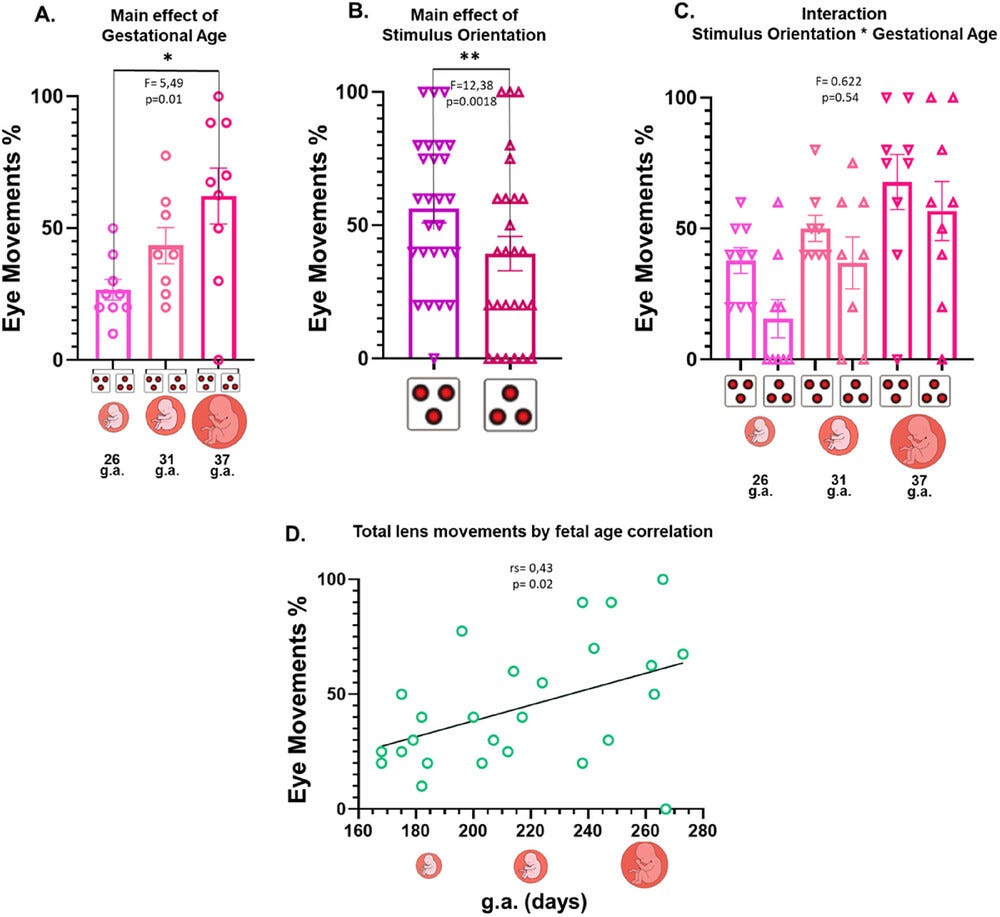 Results Experiment 2. (A) Main effect of gestational age: percentage of lens movements observed at each time-point. (B) Main effect of stimulus orientation: percentage of lens movements for FCs and ICs. Notice the presence of a significant difference between the two conditions. (C) Nonsignificant interaction: Percentage of lens movements for FCs and ICs stimuli at each time-point. Results show significant difference between FCs and ICs at all time-points. Error bars represent the standard error of the mean (SEM). **p< 0.01. (D) Total lens movements by fetal age correlation: Significant positive correlation between the percentage of total lens movements and fetuses’ g.a. in days. Source:Ronga et al. (2025).
 -
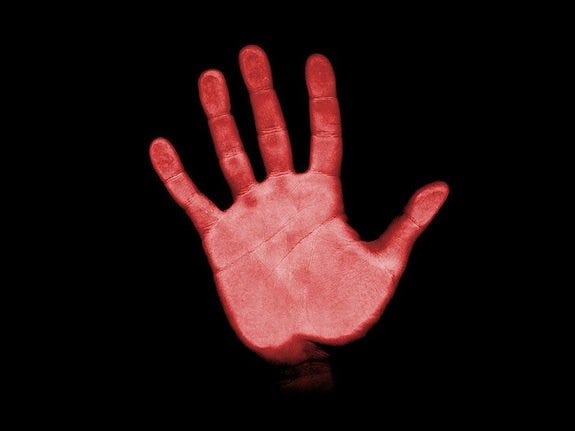
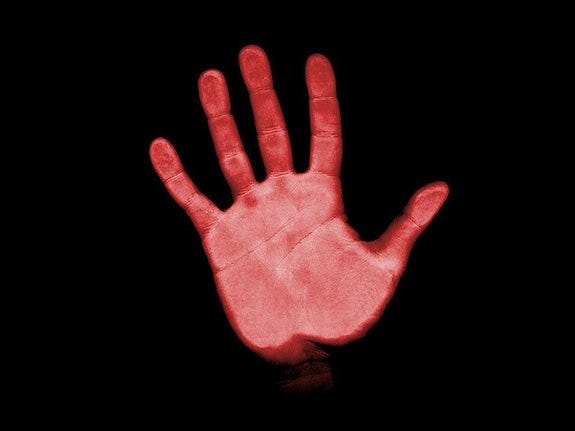
The face study reminded me of a 2013 article inSmithsonian Magazineabout a woman born with only three fingers on one of her hands. After losing that hand in a car accident, she developed a phantom hand... withfivefingers. This seems to imply that our mental maps of our bodies aren’t purely a product of learning. [Link.]
-
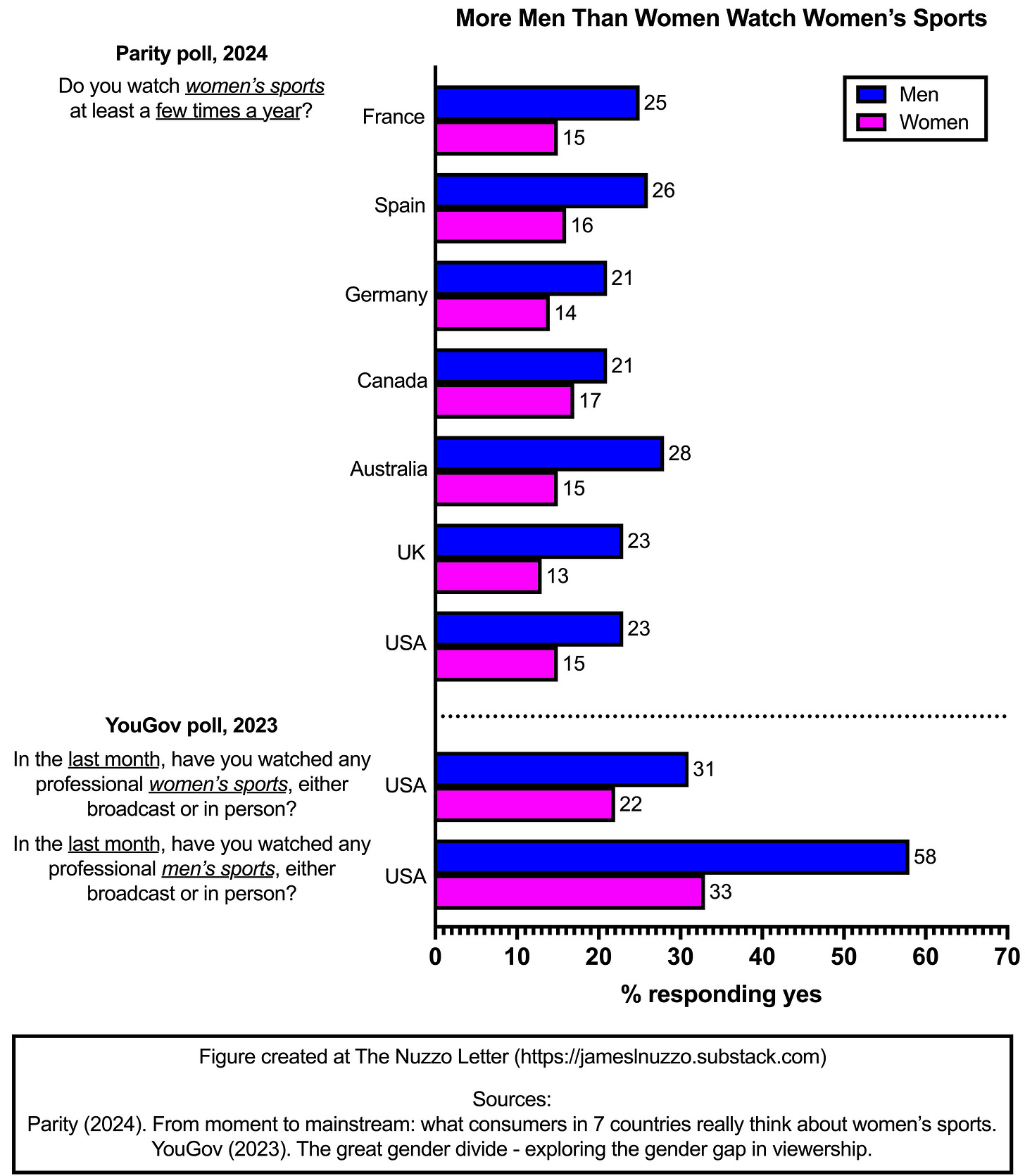
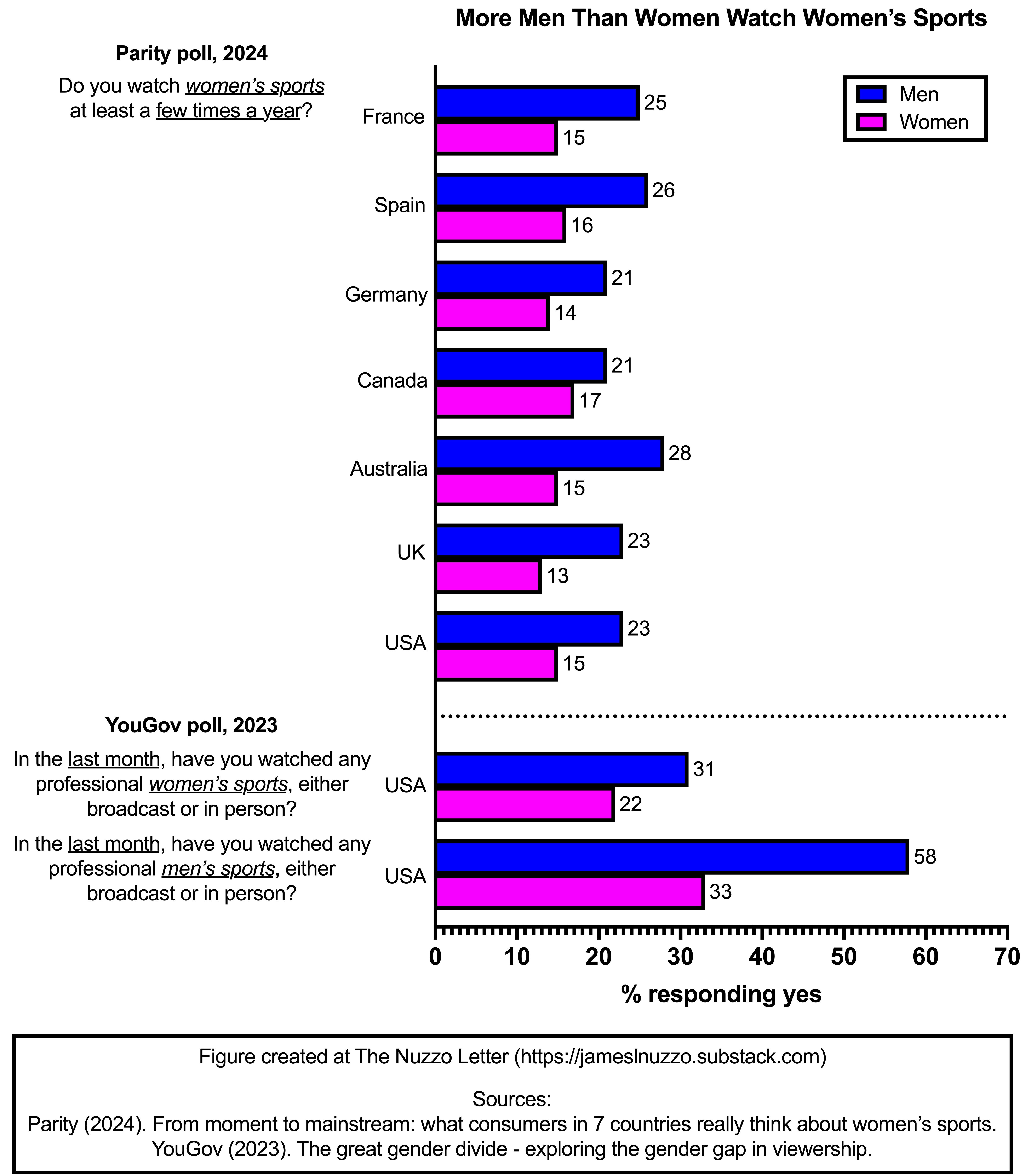
Men watch more women’s sports than women do - presumably because, on average, men are more interested in sports. [Link.] HTJames L. Nuzzo
-
Boys do betterandworse on the SAT than girls: More boys than girls are found in the top decile but also in the bottom. This is consistent with thegreater-male-variability hypothesisorGMVH: the idea that, for many traits, males are more variable than females. Breaking the SAT scores down by subject, boys predominate at both the top and the bottom for SAT math, but predominate only at the bottom for SAT reading and writing. [Link.]


Similar Articles
@EconomyApp: Who's reshaping industries? Explore which strategies are propelling today’s business titans through easy-to-understand …
A Substack newsletter by a Silicon Valley finance executive offers weekly business breakdowns to 317k+ subscribers, aiming to explain how major companies make money.
Economic Research
Anthropic's Economic Research team publishes the Economic Index and related studies to track AI adoption, productivity impacts, and labor market changes globally.
@markiewagner: Stepping outside my Stanford/Google/Waymo research bubble and sitting with real American companies made me realize why …
A researcher steps outside their Stanford/Google/Waymo bubble and observes that most of the economy cannot be automated by software or AI alone, highlighting the need for a new flexible approach.
@DanKornas: Economists need AI workflows, not another random prompt dump. Awesome Econ AI Stuff is a curated GitHub collection of A…
A curated GitHub collection of AI skills for economists, organized by workflow stage to automate research tasks like data cleaning and econometrics, using open-source formats.
Post-AI economics (and the role of crypto in the post-AI future)
The article explores how AI's rapid advancement is concentrating wealth and diminishing labor's value, arguing that traditional economics cannot address the resulting inequality, and proposes that crypto networks based on community and redistribution may offer a solution in a post-AI future.