Cached at:
07/14/26, 04:18 AM
# Japan develops a method to recover up to 90% of lithium from used EV batteries and it could be a major breakthrough
Source: [https://tech.supercarblondie.com/japan-recovers-up-to-90-of-lithium-from-used-ev-batteries/](https://tech.supercarblondie.com/japan-recovers-up-to-90-of-lithium-from-used-ev-batteries/)
In a ground\-breaking step forward, Scientists from Japan have developed a new method to recover up to 90 percent of lithium from used EV batteries – and it suddenly feels like great news on Earth Day\.
With electric vehicles booming worldwide, the pressure is mounting to find smarter ways to deal with old battery waste\.
This new technique doesn’t just recycle materials; it recovers most of them at an unbelievable rate\.
And if it delivers at scale, it could change how EV batteries are made and reused for years to come\.
## A new method to recover up to 90% of lithium from used EV batteries
This huge breakthrough in[tech](https://tech.supercarblondie.com/)has come from a recycling facility in Japan, where engineers have managed to extract around 90 percent of[lithium from used batteries](https://tech.supercarblondie.com/scientists-built-a-battery-made-from-water-and-tofu-brine/)\.
That’s a huge leap compared to traditional methods, which often recover less than 50 percent of the material, especially since it feels like a win to celebrate this Earth Day\.
At the heart of the process is a clever chemical tweak; instead of using standard sodium hydroxide, the team swapped in recovered lithium hydroxide during recycling, which is a white powder\.
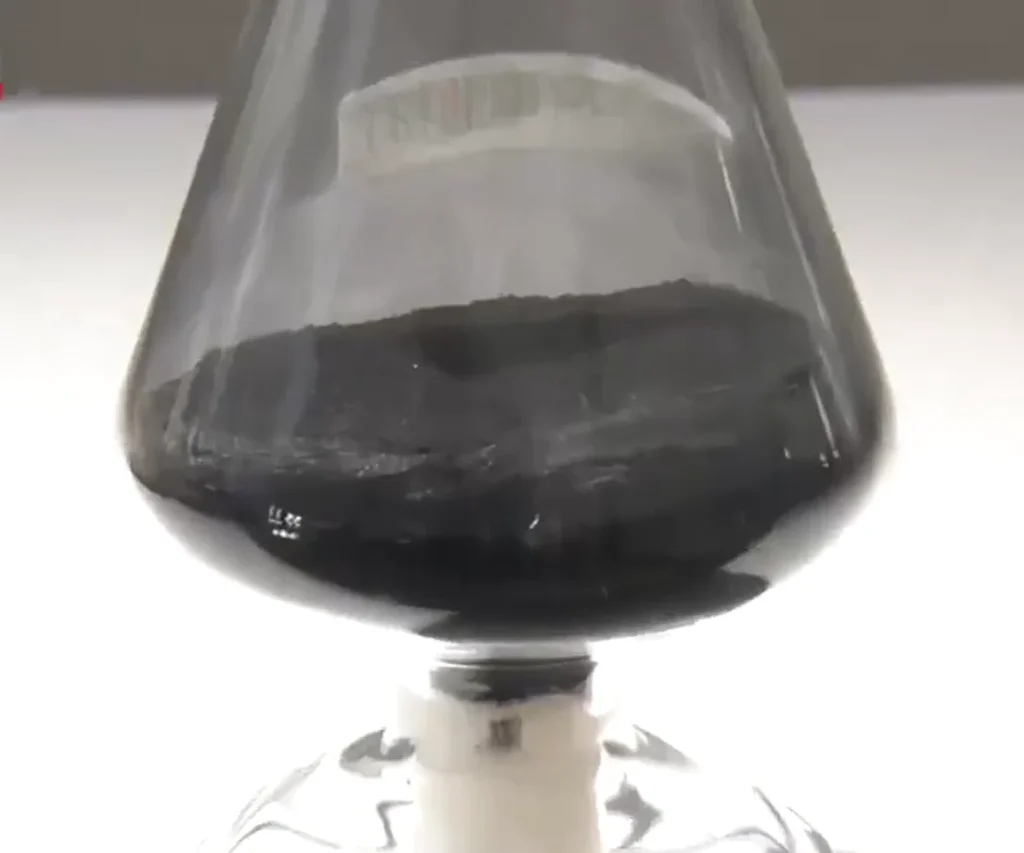
[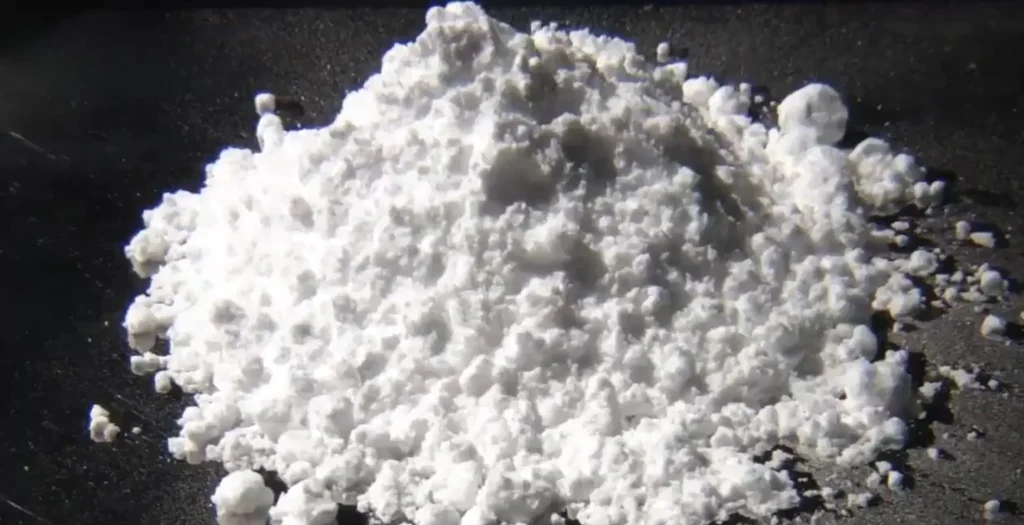](https://tech.supercarblondie.com/wp-content/uploads/Japan-lithium-2.webp)NHK WorldThis helps convert battery waste, known as ‘black mass’, into high\-purity lithium that can be reused in new batteries\.
Even better, the process isn’t just efficient, it’s better for the environment too, because researchers say it can cut carbon emissions by around 40 percent compared to conventional recycling techniques\.
[](https://tech.supercarblondie.com/wp-content/uploads/Japan-lithium-1.webp)NHK World## It could be a major breakthrough for the future of EVs
This matters because lithium is one of the most critical ingredients in[EV batteries](https://tech.supercarblondie.com/solid-state-ev-batteries-china-changan-range/), and demand is skyrocketing, as well as mining being expensive, energy\-intensive, and often geopolitically complicated\.
By recovering lithium domestically, Japan could reduce its reliance on imports and stabilise supply chains\.
In fact, the country currently imports almost all of its battery minerals, so recycling at this scale could be a game\-changer\.
> Massive geopolitical shift\. NHK World confirms Japan has perfected a revolutionary process to extract high purity lithium from dead batteries with a staggering 90 percent recovery rate\. This brilliant technological leap guarantees Japan's absolute economic security\.[pic\.twitter\.com/O7ENxLHcNb](https://t.co/O7ENxLHcNb) — Furkan Gözükara \(@FurkanGozukara\)[April 8, 2026](https://twitter.com/FurkanGozukara/status/2041836804328845423?ref_src=twsrc%5Etfw)
There are still challenges, though: only about 14 percent of used lithium\-ion batteries in Japan currently make it into official recycling systems, meaning collection infrastructure needs a serious upgrade\.
But with plans to make production even more powerful by 2027 and extract tens of thousands of tons of materials annually by 2035, this innovation could be a big turning point\.
If adopted globally,[it might not just change lives in Japan;](https://tech.supercarblondie.com/japan-discovers-new-metal-under-the-sea/)it could save the world\.